
Finding reliable, simple itinerary planning tips for chronic overthinkers feels impossible when your brain turns a basic weekend getaway into a high-stakes logistics nightmare. You open fifty Chrome tabs, cross-reference twelve restaurant review apps, and somehow end up paralyzed by day two. Vacation should relieve stress, not manufacture new anxieties. Let us strip away the obsessive color-coding so you can actually enjoy your time off.
Anchor Your Day Around Just One Non-Negotiable Activity
Overthinkers tend to treat travel like an Olympic decathlon where every single hour must yield a cultural breakthrough. You buy tickets for three museums, book a walking tour, and reserve an elaborate dinner all on day one. By early afternoon, you feel drained, resentful, and completely disconnected from the joy of exploring. Learning a few anchor habits changes everything because it forces you to prioritize sanity over sheer volume. Pick one main event per day and build everything else around it. Make that single museum visit or boat tour your primary goal, and consider the day an absolute success once you finish it. Everything else that happens after that is pure bonus. When I visited Rome, locking down just the Colosseum in the morning freed up my entire afternoon. I stumbled into a hidden courtyard cafe because I was not sprinting to beat an entrance time across town.

Adopt the Rule of Thirds for Daily Scheduling
Dividing your daylight hours into rigid thirty-minute blocks leads to instant panic the second a train runs late. Break your day into three loose blocks instead: morning, afternoon, and evening. Assign one light goal to the first block, leave the middle block wide open for wandering, and pick a general neighborhood for dinner in the third block. This flexible structure preserves your peace of mind because unexpected delays cannot ruin a timeline that never existed. If morning coffee stretches into an hour of people-watching in a sunny public square, you remain completely on track. IMO, treating time as wide horizons rather than sixty-minute countdowns eliminates ninety percent of standard travel friction. You move through your destination with curiosity instead of feeling like a tour guide herding yourself through a checklist.
Cluster Locations by Neighborhood Instead of Time Slots
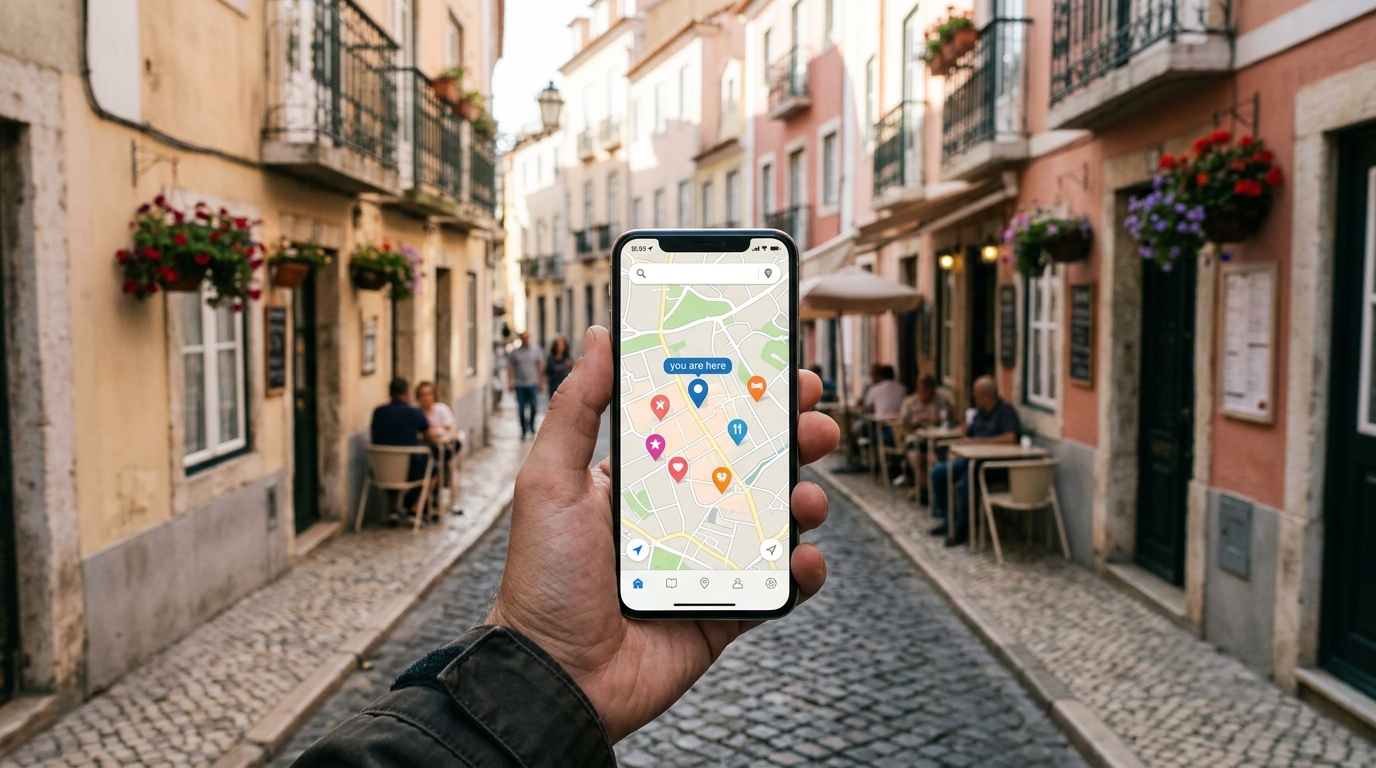
Crisscrossing a foreign metropolis burns physical energy and mental bandwidth faster than almost anything else. Group your saved spots geographically so you stay within a single walkable district each afternoon. Drop pins into Google Maps saved lists and color-code them by neighborhood rather than assigning them to specific days of the week. When you finish touring a cathedral, pull up the area map and see what cafe or park sits five minutes away. You cut out confusing transit hops and stop worrying about strict arrival windows across town. Walking through historic backstreets between nearby spots often delivers far better memories than the actual ticketed sights anyway. You also get a much deeper feel for the distinct personality of each individual neighborhood.
Simple Itinerary Planning Tips for Chronic Overthinkers Who Fear Missing Out
Fear of missing out drives travelers to build monstrous spreadsheets packed with dozens of must-see attractions. The secret to silencing this urge is accepting that no single trip can capture an entire city. Pick top priorities and deliberately leave the rest for a future visit. Testing these simple itinerary planning tips for chronic overthinkers will help you realize that quality beats quantity every time. When you accept that skipping a famous monument does not make your vacation a failure, genuine relaxation begins. You remember the slow conversations over local wine far longer than the blur of checking off five tourist traps before sundown. Give yourself permission to experience three things deeply rather than skim ten things while constantly checking your watch.
Cap Your Restaurant Research at Three Options Per Meal
Reading hundreds of conflicting reviews on Reddit, Yelp, and food blogs right before lunch creates severe decision fatigue. Limit your dining research to a maximum of three solid options per neighborhood before you leave home. Save these spots on your phone as your curated dining shortlists, and pick whichever one is closest when hunger hits. If you walk past a cozy neighborhood bistro filled with locals laughing over fresh food, walk right in and ignore your list completely. Food tastes better when you do not spend forty minutes agonizing over whether a 4.6-star trattoria beats a 4.7-star spot three streets over. Some of the greatest meals happen purely by chance when you let your appetite guide you instead of an algorithm.
Build Mandatory White Space Directly into Your Daily Schedule
Every sensible travel schedule requires intentional downtime where you have zero obligations. Block out two continuous hours every single afternoon specifically for resting, napping, reading in a park, or sitting quietly in your hotel room. Labeling this as intentional recovery time stops your brain from feeling guilty about being unproductive on vacation. Traveling drains energy quickly through sensory overload, unfamiliar languages, and finding your way around new streets. Giving yourself explicit permission to recharge keeps evening activities enjoyable rather than exhausting. You return to your evening plans refreshed, alert, and actually excited to taste local street food or stroll through illuminated plazas. Skipping this crucial rest window almost always leads to a mid-trip emotional crash.

Shift from Hour-by-Hour Spreadsheets to Simple Note Lists
Ditch the complex twenty-tab spreadsheet template with color-coded formulas and hyperlinked transit schedules. Replace that digital monster with a clean, bulleted checklist in Apple Notes or Google Keep. Write the date at the top, list your single anchor activity, add two nearby cafes, and stop typing. Carrying a minimalist daily note keeps your phone screen tidy and prevents you from obsessively checking schedules every ten minutes. FYI, keeping trip notes simple lets you stay present in the actual destination rather than staring at a digital logistics dashboard. If something changes during the day, you simply edit a quick line of plain text without breaking an entire workbook of interconnected formulas.
Create a Low-Effort Backup Plan for Unpredictable Days
Bad weather, sudden closures, or unexpected headaches can instantly shatter an over-planned vacation. Prepare for disruptions by writing down one easy, low-effort backup idea for rainy or low-energy days. A local cinema, a covered market hall, or a cozy bookstore cafe makes an ideal rainy day alternative. When plans fall through, you swap to the backup without spiraling into a search marathon. Knowing you have a calm fallback plan relieves the pressure of keeping everything running flawlessly. It turns what could feel like a wasted afternoon into a cozy, memorable pause that gives your trip unexpected charm and warmth.

Set a Hard Boundary on Pre-Trip Research Time
Endless research creates the illusion of control, but it actually fuels anxiety before you even pack a bag. Spending weeks reading blogs, watching travel vlogs, and scouring forums spoils the thrill of discovering things firsthand. Set a strict research timer of three hours total for your entire trip planning process. Once the timer expires, close the tabs and trust that you know enough to manage on the ground. Cities exist for real people who live in them daily, meaning you will easily find grocery stores, pharmacies, and transit tickets upon arrival. Stepping off the plane with a few unknowns intact restores the authentic magic of travel.
Designate One Person as the Decision Maker Per Day
Traveling with a partner or friends often multiplies overthinking because everyone tries to please everyone else. Eliminate circular debates about where to eat or what to see by rotating leadership daily. Give one person daily decision authority to make final calls on meals, transit routes, and spontaneous stops. If Tuesday belongs to you, you pick the lunch spot without needing a committee vote or endless reassurance. When Wednesday belongs to your travel partner, you happily follow along without second-guessing their choices. This simple rotation eliminates travel friction and allows each person to completely relax on their off days.
Frequently Asked Questions
How do simple itinerary planning tips for chronic overthinkers help with travel anxiety?
These techniques replace rigid time slots with flexible blocks and reduce decision fatigue. By focusing on one anchor activity daily, you remove the constant pressure to optimize every hour. You get to experience your destination organically while keeping a safe, clear structure that prevents mental overwhelm.
Which apps work best for low-stress trip planning?
Stick to Apple Notes or Google Keep for daily checklists, paired with Google Maps for saving neighborhood spots. Wanderlog works well if you want visual mapping without spreadsheet clutter. Avoid downloading six different niche apps that demand constant attention during your vacation.
How many activities should I plan for a single day?
Limit yourself to one major planned activity per day, like a museum visit or guided tour. Add one optional secondary idea nearby if energy permits. Leaving the rest of the day open allows room for spontaneous discoveries, lingering over meals, and relaxing without checking your watch.
What is the best way to handle restaurant choices without overthinking?
Research two or three well-reviewed spots in the neighborhood you plan to visit, then stop looking. If you spot a charming spot full of locals while walking around, go there instead. Trust your instincts rather than chasing absolute perfection across dozens of review forums.
How do I stop feeling guilty about skipping planned sights?
Remember that vacations exist to refresh you, not to test your stamina. Missing a popular landmark means you prioritized your personal comfort and well-being over arbitrary tourist checklists. The best travel memories almost always happen during unplanned moments between scheduled attractions.
Conclusion
Travel becomes deeply rewarding the moment you stop treating your itinerary like an unbreakable contract. Give yourself the breathing room to wander down quiet alleys, savor slow mornings, and change your mind whenever you feel like it. Which destination are you planning to visit with this lighter approach?
Leave a Reply