Testing practical, affordable remote work travel tips for digital nomads becomes urgent the moment your monthly accommodation expenses completely drain your bank account. You wanted freedom, not a mountain of hidden tourist taxes and overpriced cafe lattes. Wandering across the globe while keeping your job should feel liberating rather than financially stressful. Living comfortably on a modest budget just requires smarter systems instead of sacrificing your daily sanity.
1. Book Monthly Stays to Unlock Steep Platform Discounts
Renting an apartment for thirty days straight often costs less than booking two separate weeks on popular rental platforms. Airbnb and Vrbo offer automated monthly price cuts ranging between thirty and fifty percent to keep their occupancy rates steady. This simple shift turns exorbitant nightly rates into manageable monthly housing costs.
You also dodge the constant cleaning fees and platform booking charges associated with moving every few days. Staying in one place longer lets you build a real daily routine and focus on deep work without packing stress. I saved over six hundred dollars in Chiang Mai just by extending my stay past the four-week threshold.
2. Negotiate Direct Lease Rates with Local Landlords
Online listing platforms take hefty service commissions from both guests and hosts on every transaction. Find a place on Facebook housing groups, local expat forums, or booking sites for just two days, then tour the property in person. If you like the setup and the Wi-Fi speed, ask the landlord for a direct rental agreement.
Cutting out platform middlemen yields massive direct lease savings for both parties involved. Landlords gladly offer discounts when they know you pay cash or bank transfer without third-party fees eating their profit. Always test the water pressure and internet speed thoroughly before handing over any cash deposit.
3. Shift to Secondary and Regional Hub Cities
Capital cities and major tourist hotspots drain nomadic bank accounts faster than almost anywhere else. Choosing second-tier cities like Da Nang instead of Ho Chi Minh City, or Valencia instead of Barcelona, instantly cuts your living expenses in half. These secondary hubs still offer vibrant cafe scenes, modern amenities, and reliable high-speed internet.
You experience authentic regional hospitality without paying inflated prices for everyday essentials. Public transportation runs efficiently, street markets remain remarkably cheap, and rental competition drops significantly. IMO, smaller cities also foster closer nomad communities because people actually stay long enough to make genuine friends.
4. Buy Regional eSIM Plans Instead of Daily Roaming
Carrier roaming charges from your home mobile provider will destroy your monthly travel budget in a matter of days. Download apps like Airalo or Nomad before your flight to buy affordable digital data packs tailored to your specific destination. Activating an eSIM takes two minutes and connects your phone to regional cellular towers immediately upon arrival.
Setting up local mobile data keeps you connected for client emergencies without racking up shocking bills. You can tether your laptop in a pinch if your apartment broadband drops out during an important call. Keep your primary home SIM card turned on only for essential two-factor authentication codes.
5. Affordable Remote Work Travel Tips for Digital Nomads Chasing Free Workspaces
Paying hefty monthly fees for trendy commercial coworking spaces is completely unnecessary in modern nomad destinations. Public libraries, modern university study halls, and quiet hotel lobbies provide fantastic quiet desks with free power outlets and high-speed Wi-Fi. Many cultural centers and municipal tech hubs welcome remote workers without demanding daily desk passes.
Applying these affordable remote work travel tips for digital nomads protects your bottom line while keeping you productive. Rotating between two or three dependable free spaces prevents boredom and keeps your workday dynamic. You get all the productive focus of an expensive office without committing to a pricey monthly membership contract.

6. Cook Breakfast and Lunch with Local Market Produce
Dining out three times a day in hipster cafes looks glamorous on Instagram, but it rapidly empties your wallet. Shop at local neighborhood fruit markets and neighborhood butcher shops to stock your apartment kitchen for simple weekday meals. Preparing your own morning eggs and afternoon salads cuts your weekly food expenditure by at least seventy percent.
Stocking up on fresh market groceries also connects you with local food culture in a grounded, authentic way. You learn regional cooking ingredients and practice interacting with local vendors in their native language. Save your restaurant budget for thoughtful weekend dinners where you can fully savor regional specialties without guilt.
7. Travel by Sleeper Trains and Long-Distance Coaches
Budget airlines lure travelers with cheap base fares before tacking on ridiculous baggage fees and airport transit costs. Opt for overnight sleeper trains or reputable coach services like FlixBus or Japan Rail when journeying between regional destinations. A sleeper train doubles as your overnight accommodation, eliminating a night of hotel expenses while moving you across borders.
Booking overnight overland transit avoids the exhausting airport security lines and expensive terminal food traps. You wake up refreshed right in the center of your next city, ready to walk straight to your accommodation. Watching the country landscape unfold from a train window offers a deeply relaxing break from laptop screens.
8. Leverage House Sitting Platforms for Zero-Cost Stays
Pet lovers can eliminate housing costs entirely by caring for homes and companion animals while owners take vacations. Sign up for platforms like TrustedHousesitters or MindMyHouse to build a trustworthy profile with glowing references. In exchange for feeding pets and watering plants, you receive free lodging in beautiful residential homes across the world.
Securing a verified housesitting placement provides a fully equipped home office setup without paying a single dollar in rent. You enjoy quiet residential neighborhoods, well-stocked kitchens, and high-speed residential fiber connections. It gives introverted digital nomads a cozy base to focus on intense work projects alongside furry companions.

9. Use Multi-Currency Digital Bank Accounts to Avoid Conversion Fees
Traditional high-street banks rob international travelers with hidden foreign transaction fees and terrible currency exchange rates. Open an account with digital banking providers like Wise or Revolut before launching your nomadic lifestyle. These platforms allow you to hold dozens of local currencies and convert money using the real mid-market exchange rate.
Carrying a dedicated multi-currency travel card saves hundreds of dollars across a standard six-month travel period. You withdraw local cash at municipal ATMs without paying ridiculous bank markups or surprise international transaction penalties. Managing separate currency balances inside one simple mobile app keeps your finances completely transparent and under control.
10. Join Local Co-Living Communities During Shoulder Season
Peak tourist seasons drive up accommodation prices and attract noisy vacationers who do not respect workday routines. Plan your stays during the shoulder season months when weather remains pleasant but prices drop dramatically. Many boutique coliving spaces slash their monthly private room rates to attract reliable, long-term remote workers during slower months.
Choosing shoulder season coliving delivers the perfect balance of budget savings and built-in community events. You work alongside dedicated professionals rather than party tourists, making networking and collaboration much more natural. You also gain access to shared workspace amenities, communal dinners, and organized weekend hikes at a fraction of high-season prices.
11. Swap Paid Fitness Memberships for Public Calisthenics Parks
Short-term gym passes in tourist cities often carry absurdly high administrative fees and predatory contract terms. Take advantage of outdoor calisthenics parks, scenic running trails, and bodyweight fitness apps to stay healthy on the road. Most coastal cities and European parks maintain clean, free workout stations with pull-up bars and parallel dip bars.
Embracing outdoor bodyweight training keeps you active and physically strong without tying you down to recurring gym subscriptions. Working out in local parks exposes you to fresh air and sunshine after long hours staring at your laptop. FYI, running through historic city parks at sunset offers a fantastic way to scout new neighborhoods for free.
12. Invest in a Portable Travel Router and Local SIM Card
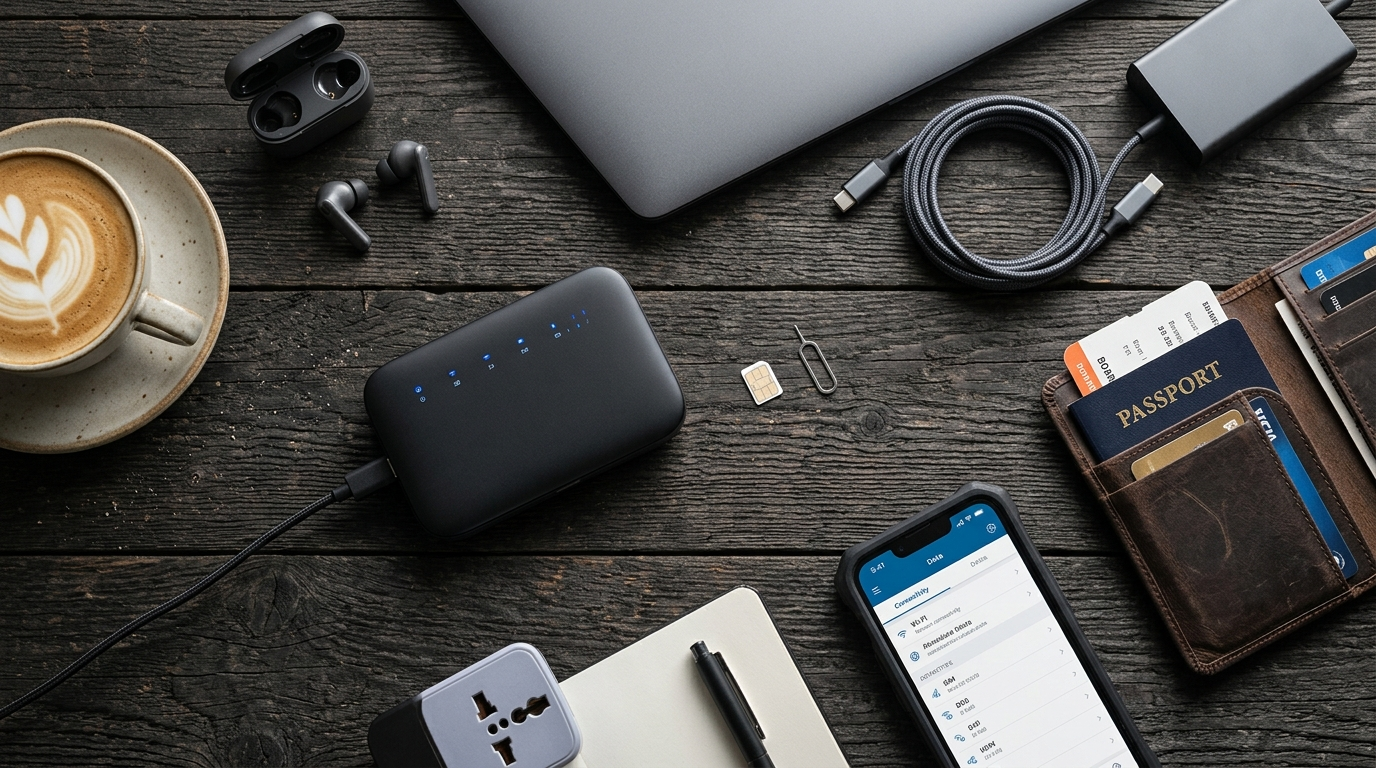
Relying solely on flaky accommodation Wi-Fi can lead to missed work deadlines and emergency spending on overpriced cafe coffees. Purchase a compact travel router or unlocked mobile hotspot device like a GL.iNet to create your own encrypted network. Pop in an affordable local data SIM card whenever you arrive in a new territory.
Setting up an independent backup connection guarantees uninterrupted workflow even when your apartment internet fails completely. You avoid the panic of searching for an open coffee shop thirty minutes before an urgent client presentation. Peace of mind allows you to work from remote coastal cabins or mountain villages without worrying about connectivity drops.
13. Establish a Weekly Spending Cap in Local Currency
Mentally converting foreign currencies every time you swipe a card leads to subtle overspending and budget creep. Convert your total monthly budget into a strict weekly allowance denominated in the actual local currency you spend. Withdraw that cash amount or allocate it to a separate virtual card envelope every Monday morning.
Operating with a strict currency allowance forces disciplined spending habits without requiring complex financial accounting software. When your weekly budget envelope runs low on Friday, you naturally choose free walking tours or cook at home over weekend splurges. You maintain complete control over your cash flow while testing practical, affordable remote work travel tips for digital nomads across different economic regions.
Frequently Asked Questions
How do affordable remote work travel tips for digital nomads differ from typical vacation budgeting?
Vacation budgeting focuses on short bursts of entertainment, luxury meals, and fast transit between tourist hotspots. Remote work budgeting prioritizes stable monthly living costs, reliable internet, and ergonomic setups. Nomads balance work productivity with daily living expenses rather than treating every single day like an all-inclusive party.
What is the most realistic monthly budget for a beginner nomad?
A realistic beginner budget ranges between 1,200 and 1,800 dollars per month in Southeast Asia or Latin America. This covers private accommodation, groceries, dining out, and mobile data comfortably. Southern or Eastern Europe usually requires 1,800 to 2,500 dollars monthly for a similar quality of life.
How can I ensure fast internet before booking an apartment?
Always ask the host to send an actual Speedtest screenshot showing download and upload speeds before confirming your reservation. Inquire whether the connection uses dedicated fiber or shared building Wi-Fi. Having an unlocked mobile hotspot with a local data SIM provides a reliable emergency backup if speeds drop.
Is coliving cheaper than renting a private apartment?
Coliving often costs slightly more than an unfurnished local lease, but it includes utilities, cleaning, coworking access, and community events. For stays under three months, coliving eliminates hefty deposits and utility setup fees, making it far more economical than standard short-term vacation rentals for solo travelers.
Which international health insurance plans offer the best value?
SafetyWing and Genki offer flexible, affordable monthly subscription models designed specifically for nomads moving between countries. These plans cover emergency medical situations and travel delays without locking you into rigid annual contracts. Always check policy terms regarding sports coverage and home country visits before signing up.
Conclusion
Building a sustainable nomadic life comes down to simple daily habits rather than endless penny-pinching. When you protect your work focus and travel slowly, your budget stretches naturally while your quality of life skyrockets. Which country are you planning to work from next on your nomadic journey?
Leave a Reply