Author: admin

  • Top Travel Food Safety Tips for Severe Allergy Sufferers 2026

    Top Travel Food Safety Tips for Severe Allergy Sufferers 2026

    Learning top travel food safety tips for severe allergy sufferers becomes a life-saving necessity the moment you smell unlisted peanut oil in a foreign airport. Your throat tightens from anxiety, and sudden panic threatens to ruin your vacation before takeoff. Experiencing international cuisine should bring pure joy instead of medical emergencies. Having reliable safety systems lets you taste local specialties while protecting your health with total confidence.

    1. Carry Professionally Translated Chef Cards in the Local Language

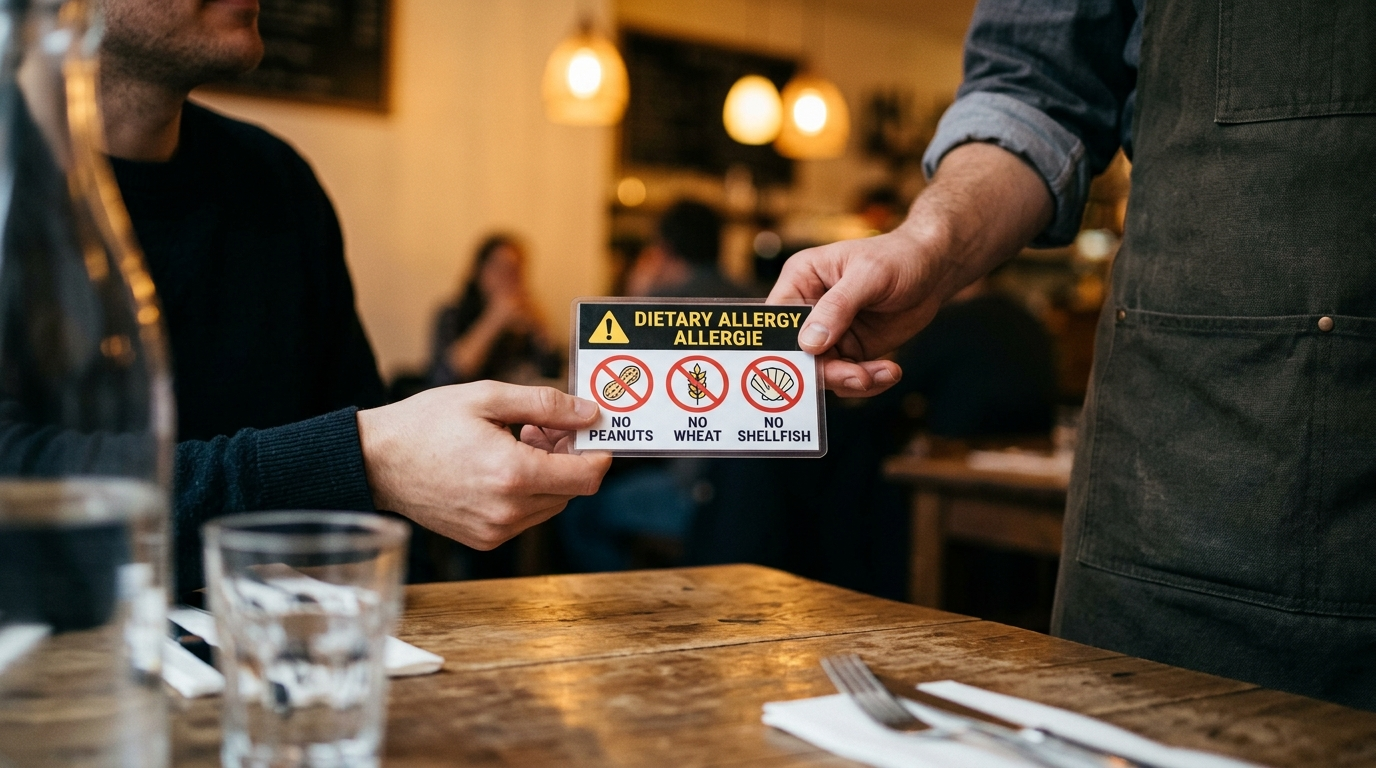
    Handing restaurant servers a handwritten note often creates confusion or dangerous miscommunications in foreign kitchens. Professional chef allergy cards clearly describe your specific allergies, hidden ingredient names, and cross-contact warnings in the local native script. Services like Equal Eats print durable plastic cards that withstand spills and explain the severity of anaphylaxis clearly.

    Presenting these custom allergy chef cards to the manager ensures the kitchen staff takes your condition seriously. Kitchen staff appreciate precise details about cooking oils, shared fryers, and sauce thickeners. This simple card prevents panic and lets you order meals with peace of mind.
    2. Wipe Down Airplane Trays and Armrests with Sanitizing Wipes

    Airlines rarely perform deep cleaning on tray tables, window shades, and seatbelt buckles between quick turnaround flights. Previous passengers frequently consume peanut snacks, dairy products, or tree nut bars directly off these surfaces. Wiping down your entire seating area immediately upon boarding removes residual allergen oils before you settle into your seat.

    Use commercial antibacterial surface wipes that effectively lift sticky food residues from hard plastics. Do not rely on hand sanitizer gels because alcohol does not break down stubborn food proteins. Taking three minutes to scrub your space keeps your flight completely safe and hygienic.

    3. Book Accommodations Featuring a Dedicated Private Kitchenette

    Relying exclusively on restaurant dining three times a day in a foreign country introduces constant anxiety and mental fatigue. Reserving an apartment or boutique hotel room with a private stovetop and refrigerator gives you complete control over your meals. You can prepare safe breakfasts and pack reliable excursion lunches before leaving your room.

    Shopping at neighborhood supermarkets lets you inspect ingredient labels calmly in your own space. Storing your own dedicated safe groceries eliminates the risk of cross-contact from hotel breakfast buffets. You save significant money while giving your digestive system a predictable, safe routine.

    4. Top Travel Food Safety Tips for Severe Allergy Sufferers Dining at Buffets

    Hotel buffets represent one of the most hazardous dining environments for anyone living with life-threatening food allergies. Hungry guests routinely drop serving spoons into neighboring dishes, spreading allergen traces across scrambled eggs, pastries, and salad bars. Applying top travel food safety tips for severe allergy sufferers means bypassing the open buffet line entirely.

    Ask hotel chefs to prepare a fresh, custom made breakfast plate directly from sealed ingredients in the back kitchen. Most kitchen teams happily prepare fresh eggs in a clean pan using fresh utensils. This simple request shields you from dangerous cross-contact while you enjoy hot morning meals.

    5. Pack a Double Supply of Epinephrine Auto-Injectors in Carry-On Bags

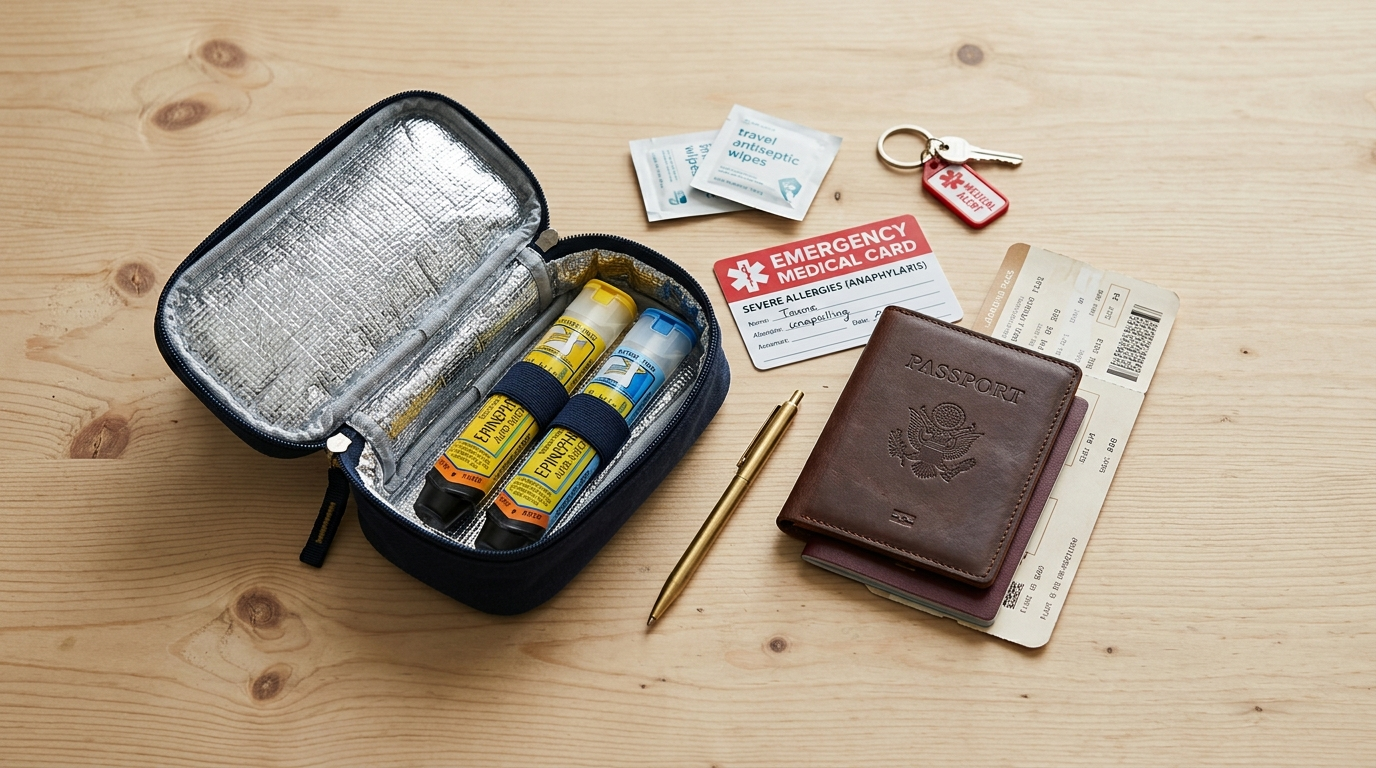
    Carrying only one epinephrine pen leaves you vulnerable if a severe biphasic reaction requires a second emergency dose. Always pack at least two twin-packs of auto-injectors like EpiPen or Auvi-Q inside your personal carry-on luggage. Never check life-saving medications into cargo holds where extreme temperature swings can degrade the medication.

    Keep your pens stored inside an insulated medication pouch to protect them from scorching sun or freezing mountain air. Bring an official doctor letter confirming your medical need to carry liquid auto-injectors through airport security checkpoints. Having extra doses on hand provides vital reassurance wherever you roam.
    6. Research Hidden Regional Ingredients Before Leaving Home

    Traditional recipes often incorporate unexpected allergens that do not appear in Western variations of the same dishes. Ground peanuts frequently thicken savory stews in West Africa, while fish sauce hides in vegetarian noodle broths across Southeast Asia. Learning traditional spice pastes and cooking traditions prevents accidental exposures before you even step into a restaurant.

    Take time to study the regional culinary staples of your chosen destination using verified expat food forums. Make a list of high-risk traditional dishes to avoid entirely during your stay. Knowing what hides in local broths keeps your dining choices safe and informed.

    7. Speak Directly with Restaurant Kitchen Managers Instead of Waitstaff

    Busy servers often lack detailed training regarding kitchen cross-contact, shared fryers, and secondary sauce ingredients. Request to speak directly with the head chef or shift manager during slow dining hours before placing your order. Communicating directly with the person cooking your meal reduces the risk of dangerous translation errors.

    Politely explain your specific allergy triggers and observe their reaction closely. If the manager hesitates or dismisses your concerns as a minor preference, walk out immediately and find another restaurant. Trusting a trained kitchen manager ensures proper protocols like clean cutting boards and sanitized cookware are followed.

    8. Download Live Translation Apps with Offline Image Recognition

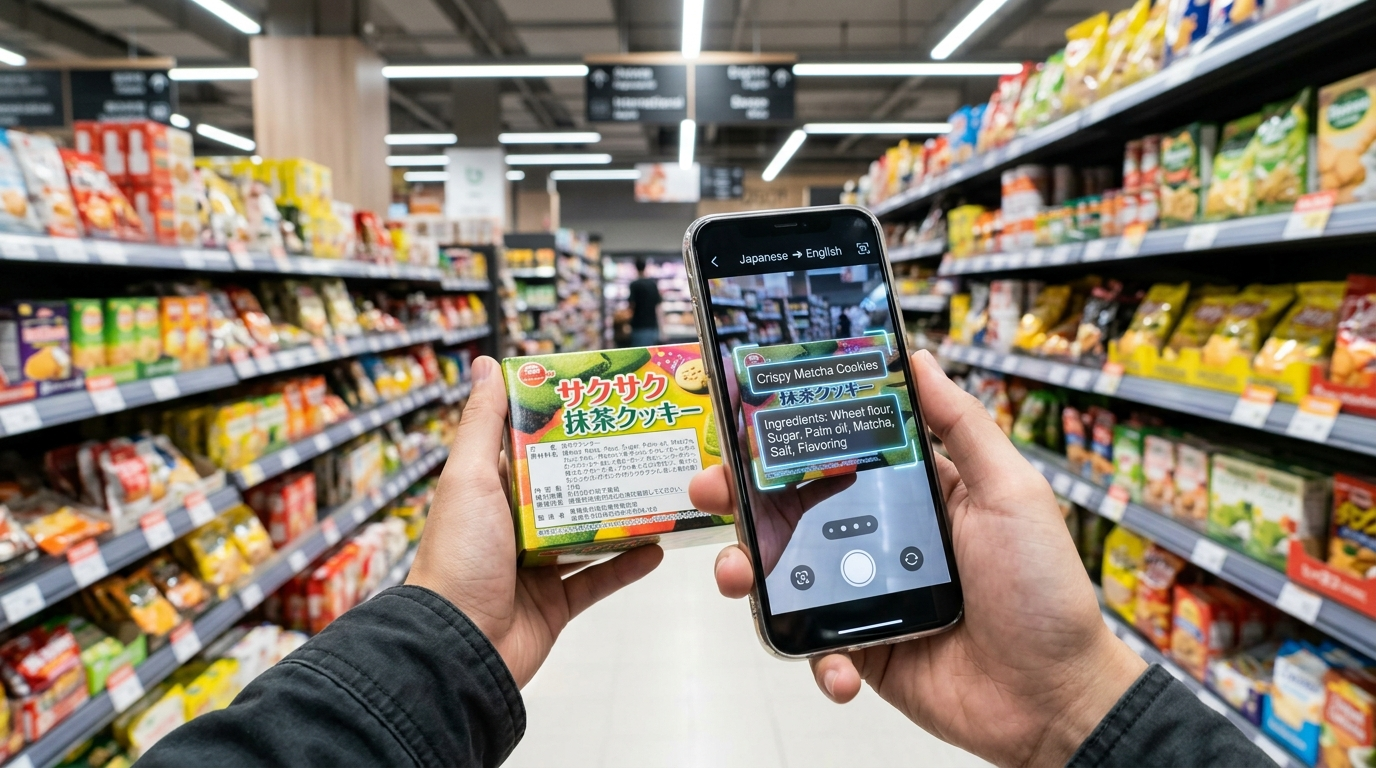
    Deciphering complicated grocery labels written in foreign characters feels daunting when cellular service drops in underground shops. Apps like Google Translate or DeepL allow you to scan packaging text using your smartphone camera even without active Wi-Fi. Downloading language packs offline ensures you can translate ingredient lists anywhere in the world.

    Scan allergen warnings and manufacturing notices for mentions of shared facility processing. Utilizing offline visual translation tools helps you spot obscure chemical names for milk solids, soy derivatives, and hidden nut oils. It turns confusing grocery shopping into a straightforward and reliable task.
    9. Carry Sealed High-Protein Emergency Snacks Everywhere You Go

    Delayed trains, language barriers, or unaccommodating restaurants can leave you stranded without a safe meal option for hours. Pack manufacturer-sealed protein bars, roasted seeds, dried fruit pouches, and vacuum-sealed tuna packs in your daypack. Having substantial emergency rations ensures you never make risky food choices out of desperation.

    Choose certified allergen-safe brands that you already consume and trust at home. Carrying your own portable emergency snacks prevents the misery of touring foreign cities on an empty stomach. You can explore remote countryside ruins comfortably knowing your personal snack stash covers your nutritional needs.

    10. Avoid High-Risk Street Food Stalls with Shared Griddles

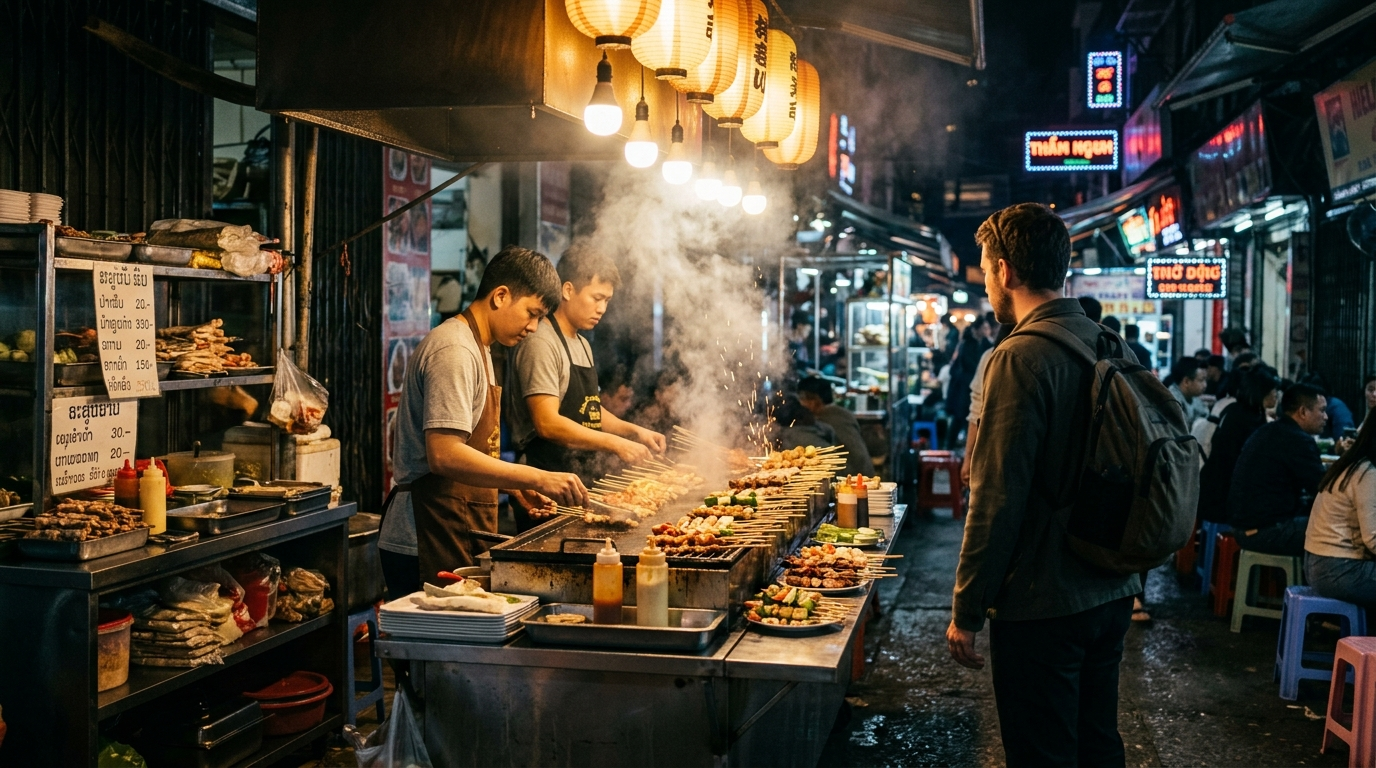
    Open-air food markets offer mouthwatering aromas, but they present massive cross-contact hazards for allergy travelers. Street vendors operate with limited workspace, rarely washing spatulas or cleaning flat-top grills between cooking different dishes. A single swipe of a cloth can transfer shrimp paste or peanut oil onto your grilled chicken skewer.

    Skip food carts where multiple dishes fry together in the same oil vat. Watching out for shared cooking surfaces protects you from invisible cross-contamination during lively night market strolls. IMO, sticking to sit-down venues with dedicated preparation areas is always worth the extra cost.
    11. Learn Emergency Medical Vocabulary for Your Destination

    Knowing how to shout for urgent medical help in the local language can save your life during an unexpected reaction. Practice pronouncing key emergency phrases like “ambulance”, “hospital”, and “I cannot breathe” before your plane lands. Save these phonetic phrases as your smartphone lock screen wallpaper for instant visual reference.

    Locate the nearest emergency room and regional hospital trauma center relative to your hotel address. Practicing essential emergency medical vocabulary ensures bystanders and taxi drivers understand your situation without delay. You move through foreign cities with greater peace knowing you can communicate during a crisis.

    12. Register Your Medical Needs with Airline Special Assistance

    Airlines can establish allergy buffer zones and make cabin announcements if you notify their accessibility department in advance. Submit your medical dietary request and allergy notification through the airline website at least seventy-two hours prior to flight departure. Remind the gate staff and flight attendants about your condition as you board the plane.

    Many international carriers will suspend the distribution of tree nuts and peanuts on your specific flight upon request. Establishing airline special assistance creates an extra layer of protection against airborne dust and surface residue. FYI, polite communication with cabin crew builds fantastic goodwill throughout your journey.

    13. Create a Medical Action Plan Document for Travel Companions

    Experiencing anaphylaxis impairs your ability to speak, think clearly, and administer your own emergency medication. Hand your travel partner a laminated, step-by-step emergency card detailing symptom progression and exact auto-injector instructions. Walk them through the physical mechanics of using your trainer pen before your trip starts.

    Ensure your companion knows the local emergency telephone number, such as 112 in Europe or 119 in Japan. Sharing a clear emergency action plan gives your friends the tools to act quickly under pressure. Testing top travel food safety tips for severe allergy sufferers as a team keeps everyone safe and prepared.

    Frequently Asked Questions

    How do top travel food safety tips for severe allergy sufferers prevent emergencies abroad?

    Carrying translated allergy cards and vetting dining spots before ordering removes dangerous communication barriers in foreign kitchens. Asking chefs to prepare meals from scratch avoids shared griddles and cross-contact. Having multiple epinephrine auto-injectors and knowing local hospital locations ensures you stay protected if an accidental exposure occurs.

    How can I safely carry epinephrine auto-injectors through airport security?

    Keep your medication in your carry-on luggage inside an insulated pouch with original pharmacy labels intact. Show the TSA or airport security agents your doctor letter explaining your severe allergy condition. Never check epinephrine pens into cargo holds where extreme cold or heat can ruin the medicine.

    Is it safe to eat street food with a severe food allergy?

    Street food stalls present severe cross-contact risks due to small cooking spaces, shared cutting boards, and unwashed woks. Stick to reputable sit-down restaurants where managers can isolate ingredients and clean cookware properly. If you want night market atmosphere, bring your own safe snacks while soaking in the ambiance.

    What should I do if a restaurant server seems dismissive of my allergies?

    Leave the restaurant immediately without ordering any food or drinks. A dismissive attitude from waitstaff indicates the kitchen likely lacks proper allergy safety protocols and cross-contact awareness. Trusting your gut instinct prevents dangerous exposures, so look for a welcoming venue that takes food allergies seriously.

    Which travel insurance plans cover severe allergic reactions abroad?

    Look for comprehensive travel medical policies like Allianz Global Assistance or World Nomads that cover pre-existing conditions and emergency medical evacuation. Always declare your severe allergies when filling out policy forms so treatment and hospital stays are fully covered without claim disputes if you need emergency care.

    Conclusion

    Living with severe allergies never means you have to stay locked at home while the rest of the world explores. Equipping yourself with clear communication tools and proactive habits opens up the globe for safe, delicious adventures. Which country are you most excited to explore safely on your next getaway?
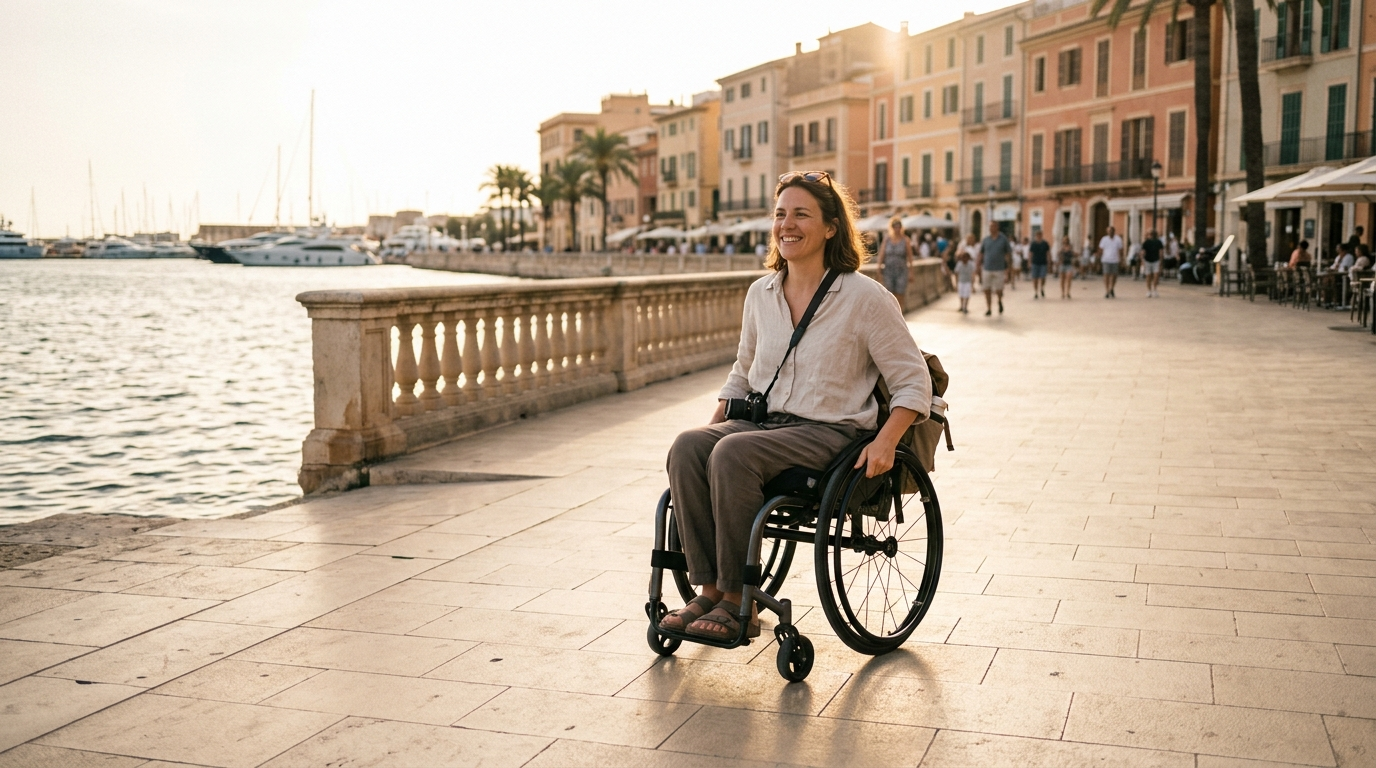
  • Simple Accessible Travel Planning Tips for Wheelchair Users 2026

    Simple Accessible Travel Planning Tips for Wheelchair Users 2026

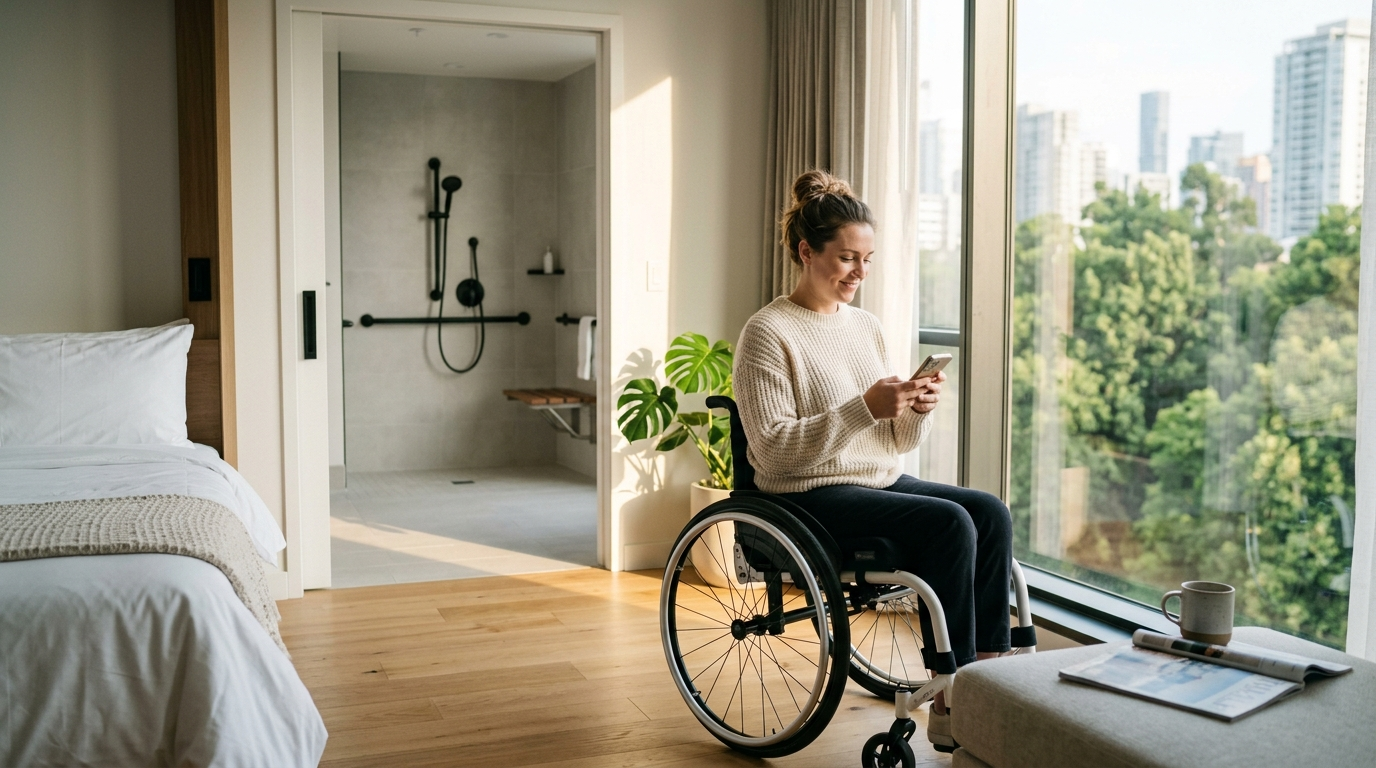
    Discovering practical, simple accessible travel planning tips for wheelchair users makes the difference between a dream vacation and being stranded at a hotel with three entrance steps. Nothing ruins anticipation faster than generic website promises that crumble upon arrival. You deserve smooth journeys without constant logistical surprises. Grabbing hold of dependable strategies lets you book flights, roll through historic plazas, and enjoy your time with genuine confidence.

    1. Call the Hotel Front Desk Directly for Bathroom Measurements

    Never trust a generic accessible tag on a third-party booking website. Hotel reservation systems frequently confuse sensory-accessible rooms with full roll-in shower setups. Calling the local front desk during quiet afternoon hours lets you speak with staff who can physically inspect the room.

    Ask the staff member to verify door frame widths and confirm the absence of a raised shower curb. Request photos of the specific bathroom sent directly to your email before paying a deposit. This simple direct hotel verification call prevents awful arrival surprises when you unpack.

    2. Request Specific Airline Wheelchair Handling Gate Tags

    Airlines regularly handle mobility devices roughly unless you establish strict handling boundaries at check-in. Arrive at your departure gate early and speak directly with the gate agent to secure proper return-to-gate tags. Emphasize that your chair must meet you on the jet bridge at your arrival destination, not at baggage claim.

    Remove all detachable parts like cushions, footrests, and joystick controllers before boarding. Carry your high-end pressure cushion onto the aircraft cabin as personal luggage to protect your skin during long flights. Securing manual gate-check tags guarantees your chair receives priority cargo placement.

    3. Use Street View to Audit Pavement and Curbs

    Digital mapping tools offer incredible insight into real-world sidewalk conditions before you leave home. Drop the Google Street View icon along the walking route from your transit station to your hotel. This reveals steep inclines, missing curb cuts, and cobblestone paths that could wreck your front caster wheels.

    Spotting construction zones and broken pavements in advance saves hours of frustrating backtracking through unfamiliar streets. You can map out flat asphalt corridors and locate step-free building entrances ahead of time. Conducting a visual sidewalk audit ensures effortless rolling across dense city centers.

    4. Simple Accessible Travel Planning Tips for Wheelchair Users Booking Trains

    European and Asian rail networks offer fantastic high-speed connections, but booking assistance requires advance notice. Most state railway services ask travelers to register assistance requests at least twenty-four to forty-eight hours before departure. This ensures platform conductors have mobile ramps ready when your train pulls into the station.

    Applying reliable, simple accessible travel planning tips for wheelchair users keeps your transit days completely stress-free. Always confirm whether the train carriage features a dedicated tie-down spot or wheelchair space next to an accessible restroom. Reserving your rail assistance booking early avoids being stranded on cold station platforms.

    5. Carry a Portable Ramp for Single-Step Obstacles

    Historic cafes, shops, and boutique hotels across the world often feature a single annoying four-inch threshold step at their entrance. A lightweight, folding aluminum suitcase ramp bridges these minor architectural barriers instantly. Carrying your own ramp opens up hundreds of charming local venues that lack permanent ramps.

    Choose a tri-fold aluminum ramp rated for your chair’s total combined weight including your body. Keep it strapped to the back of your wheelchair frame for quick deployment when dining outdoors. Having an aluminum threshold ramp turns inaccessible historic neighborhoods into welcoming destinations.

    6. Pack a Customized Wheelchair Repair and Tool Kit

    Vibrations from bumpy cobblestones and rough transit rides can loosen critical bolts on your mobility equipment. Pack an Allen wrench set, tire levers, spare inner tubes, zip ties, and heavy-duty duct tape in your luggage. Finding specialized metric wheelchair hardware in a foreign city can consume entire vacation days.

    A compact bicycle multi-tool fits easily inside an under-seat storage pouch for emergencies on the go. Include a small portable electric tire inflator to maintain optimal pneumatic tire pressure across changing climates. Carrying a dedicated mobility tool kit provides complete peace of mind when exploring rugged terrain.

    7. Research Accessible Public Transport Before Private Shuttles

    Private accessible shuttle vans often charge extortionate rates for simple fifteen-minute transfers between airports and hotels. Many modern cities operate low-floor bus routes, step-free metro stations, and accessible tram networks that cost pennies by comparison. Look up local municipal transit accessibility maps to plan cost-effective daily routes.

    Check elevator status pages for subway systems like London Underground or Paris Metro before heading underground. Testing simple accessible travel planning tips for wheelchair users helps you avoid broken transit elevators and save significant transportation money. Utilizing step-free transit networks lets you travel like a savvy local without burning cash on private taxis.

    8. Cross-Reference Hotel Accessibility on Dedicated Community Apps

    Mainstream review sites rarely provide granular details about roll-in shower grab bars or bed heights. Specialized accessibility apps like WheelTheWorld, AccessNow, and Rolli connect you with genuine reviews submitted by disabled travelers. These platforms photograph entrance thresholds, shower benches, and door clearances with exact millimeter measurements.

    Read recent community feedback to learn about hidden property quirks, such as steep courtyard gravel or heavy entrance doors. Discovering these practical nuances in advance helps you choose lodging with genuine universal design. Relying on peer accessibility reviews eliminates guesswork and guarantees comfortable accommodations.

    9. Rent Bulky Medical Equipment at Your Destination

    Hauling heavy shower chairs, patient lifts, or motorized scooters on long-haul flights creates unnecessary logistical headaches and damage risks. Contact local medical supply companies in your destination city to arrange equipment delivery directly to your hotel room. Most major tourist destinations maintain reputable rental suppliers who cater specifically to visiting travelers.

    Arrange delivery for the afternoon before your official check-in so equipment awaits your arrival in the room. This local equipment rental strategy keeps your airline luggage light while ensuring you have sturdy sanitary gear ready. You bypass airport baggage stress and sleep comfortably from night one.

    10. Book Museum and Attraction Tickets via Accessibility Desks

    Major world attractions, ancient ruins, and art galleries frequently offer discounted or free companion tickets for disabled guests. Skip standard online ticketing queues and email the venue’s dedicated accessibility coordinator directly. They can arrange step-free entrance routing, elevator key access, and private vehicle drop-off permits.

    Venues like the Vatican Museums or the Louvre offer specialized accessible routes that bypass massive general admission crowds entirely. Confirming your priority accessibility pass ahead of time saves hours of exhausting queueing on hard museum floors. You gain seamless entry while enjoying unhurried views of historic treasures.

    11. Create a Digital Equipment Spec Sheet for Airline Ground Crews

    Baggage handlers often damage complex power wheelchairs simply because they do not know how to disengage motors or fold delicate components. Print laminated handling instruction cards in English and the local language of your destination, then attach them firmly to your chair frame. Include clear photos showing freewheel levers, battery disconnect plugs, and lifting points.

    Keep a digital PDF version of this document saved on your phone for quick gate presentations. Incorporating these simple accessible travel planning tips for wheelchair users protects expensive mobility equipment from mishandling. Providing a laminated instruction card gives baggage loaders clear, visual guidance for safe cargo loading.

    12. Plan Rest Stops Near Verified Accessible Facilities

    Long days of sightseeing over bumpy brick paths and uneven terrain drain physical stamina rapidly. Map out spacious public botanical gardens, modern shopping malls, or major cultural centers along your daily sightseeing path. These venues guarantee clean, companion-care accessible restrooms and smooth paved pathways for restful afternoon pauses.

    Taking scheduled breaks protects your skin from continuous pressure and prevents battery depletion on powered mobility gear. Enjoying a coffee in a spacious, climate-controlled atrium gives your hands and back a well-deserved rest. Scheduling strategic rest stops keeps your vacation enjoyable and physically sustainable from morning to evening.

    13. Keep Critical Medical and Mobility Spare Parts in Carry-On Bags

    Never check essential chargers, joystick knobs, emergency medication, or specialized cushions into airline cargo holds. If airlines misplace your checked suitcase, losing these proprietary components can instantly halt your entire vacation. Pack these irreplaceable items inside a sturdy backpack that stays with you in the aircraft cabin.

    Carry a universal plug adapter and heavy-duty voltage converter for international battery charging. Stowing your essential mobility gear in your carry-on luggage ensures you remain fully mobile even during baggage delays. IMO, keeping your charger within arm’s reach is the golden rule of disability travel.

    Frequently Asked Questions

    How do simple accessible travel planning tips for wheelchair users prevent airline chair damage?

    Attaching laminated handling instructions directly to your wheelchair helps baggage handlers understand freewheel levers and battery disconnects. Removing joysticks, footrests, and delicate headrests into your carry-on luggage prevents severe impact breakage during cargo loading. Gate-checking your chair ensures it stays near the aircraft rather than tumbling through automated conveyor belts.

    What should I do if my hotel accessible room is not actually accessible upon arrival?

    Speak immediately with the on-duty manager and show your booking confirmation detailing accessibility requirements. Ask them to transfer you to an alternative room or a sister property with proper roll-in facilities at their expense. Keep portable ramps handy to overcome minor entrance thresholds while staff resolves the situation.

    Can power wheelchair users safely fly on international commercial flights?

    Yes, power wheelchair users fly internationally all the time. You must notify the airline with your chair dimensions, weight, and battery chemistry when booking. Disconnecting the battery terminals and locking freewheel levers before cargo loading ensures the aircraft crew transports your equipment safely.

    How far in advance should wheelchair users book accessible travel accommodations?

    Book accessible hotel rooms, cruise cabins, and train slots four to six months in advance. Most properties only maintain one or two genuinely accessible rooms with roll-in showers. Reserving early locks in the best locations and ensures accessible airport transfers have availability for your specific travel dates.

    What is the easiest way to find accessible public restrooms in foreign cities?

    Download crowd-sourced accessibility apps like WheelMap or Flush to locate nearby accessible public restrooms quickly. Modern museum lobbies, department stores, and large train terminals almost always feature clean, step-free companion-care facilities. Planning your daily walking route around these major landmarks guarantees accessible bathroom access throughout the day.

    Conclusion

    Exploring the world from a wheelchair requires a bit more foresight, but the freedom of rolling through new destinations makes every minute of preparation worthwhile. Trust your research, advocate for your comfort, and embrace the adventure with an open mind. Which accessible destination are you planning to explore next on your travel list?

  • Foolproof Travel Planning Routines for Military Spouses 2026

    Foolproof Travel Planning Routines for Military Spouses 2026

    Developing foolproof travel planning routines for frequently relocating military spouses is essential when unexpected orders suddenly flip your household upside down. You barely unpack the kitchen before orders drop again, sending you scrambling across state lines with pets, kids, and half-taped cardboard boxes. Moving duty stations never feels entirely painless. Setting up repeatable, calm travel systems prevents complete burnout and turns chaotic cross-country relocations into actual adventures.

    1. Build a Dedicated Master PCS Binder Before Pack Day

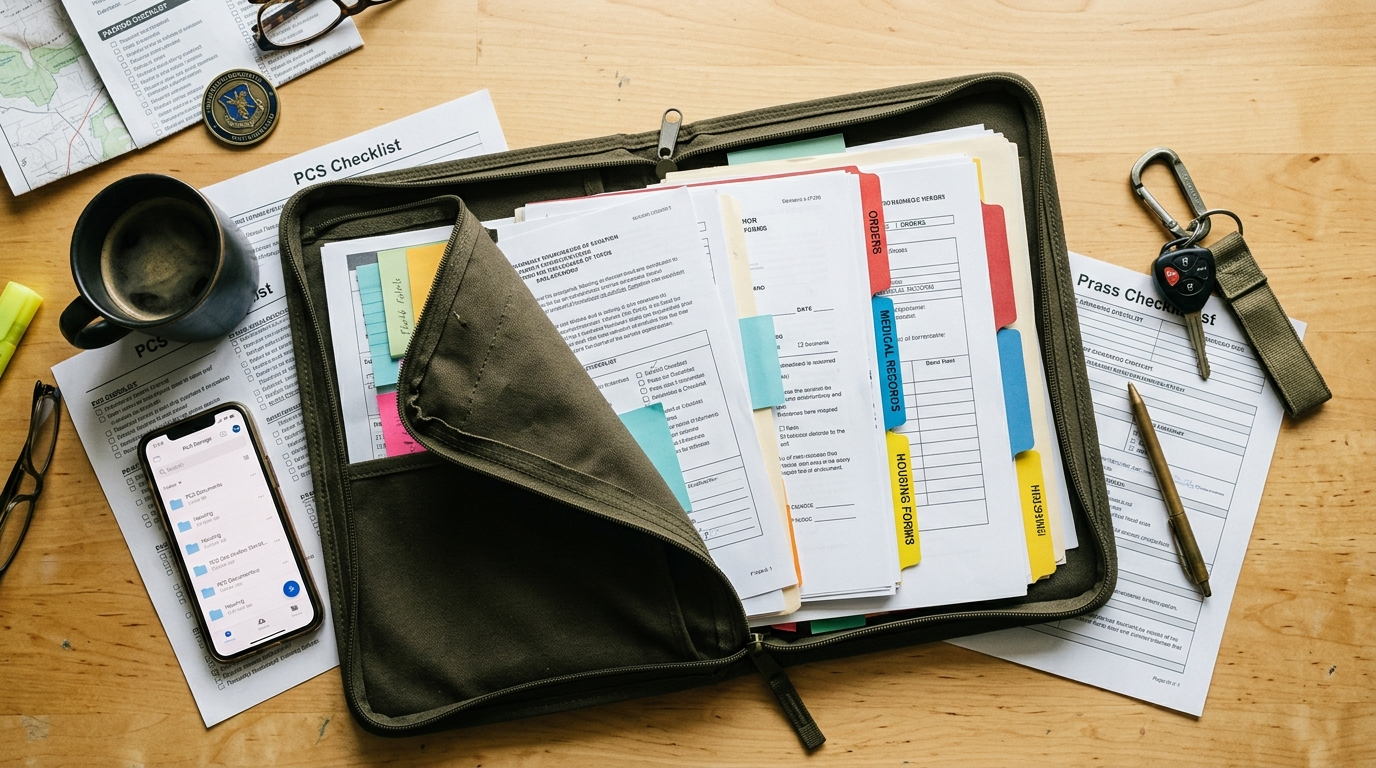
    Gather every critical family document into a bright, waterproof zippered folder that stays in your vehicle at all times. This includes hard copies of official military orders, birth certificates, pet immunization records, housing applications, and vehicle titles. Having all necessary paperwork in one secure place eliminates frantic digging through packed suitcases at hotel front desks.

    Keep digital scans backed up securely on an encrypted cloud drive like Google Drive or iCloud for quick mobile access. Color-code sections using plastic tab dividers to instantly grab immunization logs or lease agreements during check-in. This simple master document binder prevents catastrophic administrative delays while crossing multiple state lines.

    2. Map Out Pet-Friendly Hotel Stops Weeks in Advance

    Securing lodging that welcomes furry family members requires early booking along major interstate corridors. Chains like La Quinta, Home2 Suites, and Kimpton offer reliable pet accommodations without excessive non-refundable deposits. Reserving your rooms well before movers arrive guarantees you have a clean place to sleep when regional hotels fill up with summer PCS traffic.

    Always call hotel properties directly to verify specific pet weight limits and fees before confirming your reservation online. Pack a dedicated pet bag with collapsible bowls, familiar bedding, and food to soothe animal anxiety in unfamiliar rooms. Relying on verified pet-friendly lodging saves you from midnight parking lot rejections after driving eight hours.

    3. Assemble a 72-Hour First-Night Essentials Bin

    Pack a clear plastic storage tub with everything your family needs to survive the first three days in an empty house. Load it with paper towels, toilet paper, phone chargers, disposable plates, trash bags, basic hand tools, and a shower curtain liner. Carrying this clear bin in your trunk prevents you from opening taped moving boxes just to brush your teeth.

    Include an air mattress, fresh sheets, and basic cleaning wipes to make any temporary lodging immediately functional. Mark the lid with bright neon duct tape so movers never accidentally load it onto the moving truck. Establishing this first-night survival kit removes immense stress upon arriving at an unfurnished base house.

    4. Leverage Military Lodging and Space-A Resources

    Look beyond standard commercial hotels and investigate temporary lodging facilities on military installations along your driving route. Navy Lodges, Air Force Inns, and IHG Army Hotels often provide spacious suites with full kitchenettes at reasonable, tax-free per diem rates. These secure facilities offer quiet surroundings, gated security, and proximity to base amenities.

    Check installation websites early because on-base suites book out months in advance during peak summer PCS cycles. Using an on-base installation lodging network saves hundreds of dollars while giving your family access to secure playgrounds and commissary groceries. It provides a peaceful, familiar environment during long cross-country road trips.

    5. Turn Required Travel Routes into Scenic Mini Vacations

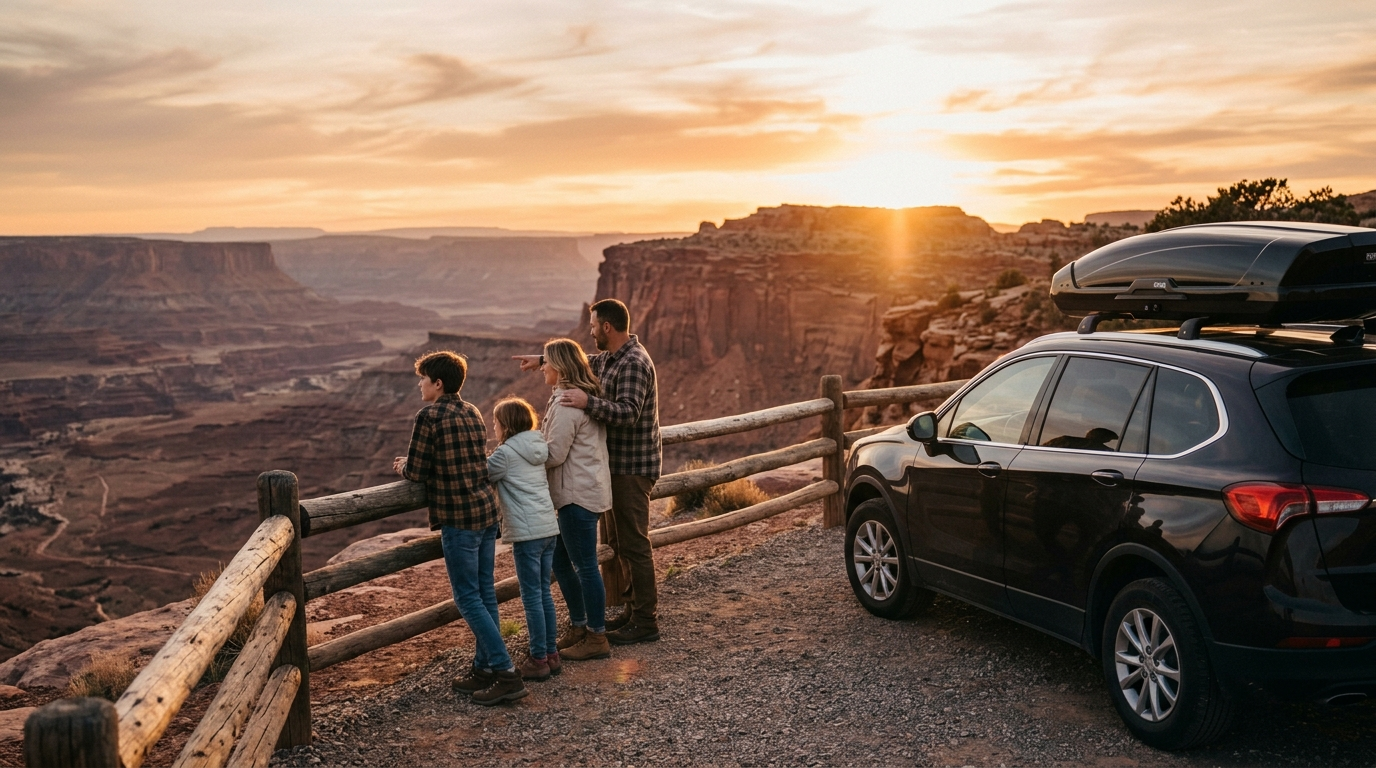
    Driving across the country between duty assignments feels draining when you view the journey merely as unpaid labor. Identify two national parks, quirky roadside landmarks, or historic towns located within an hour of your mandatory interstate route. Intentionally scheduling two-hour exploration breaks breaks up monotonous highway miles and keeps morale high.

    Grab a free America the Beautiful Military Pass at the first national park entrance station you encounter along the route. Planning these scenic route detours transforms an exhausting logistical move into cherished family sightseeing memories. Kids remember the giant roadside dinosaur far longer than the stress of moving trucks.

    6. Foolproof Travel Planning Routines for Frequently Relocating Military Spouses on Budgets

    Tracking moving expenses down to the exact dollar prevents unpleasant surprises when filing your travel reimbursement vouchers. Set up a dedicated travel expense folder in your phone notes and immediately photograph every fuel receipt, toll charge, and hotel bill. Mastering foolproof travel planning routines for frequently relocating military spouses ensures your family gets reimbursed every single cent allowed under Joint Travel Regulations.

    Use platforms like Expensify or simple spreadsheet envelopes to categorize lodging, per diem meals, and mileage allowances daily. Sticking to a disciplined expense tracking routine keeps your credit cards from ballooning during prolonged temporary housing stays. You submit clean paperwork to the finance office on day one without missing receipts.

    7. Pre-Cook and Freeze Road Trip Meals for the Cooler

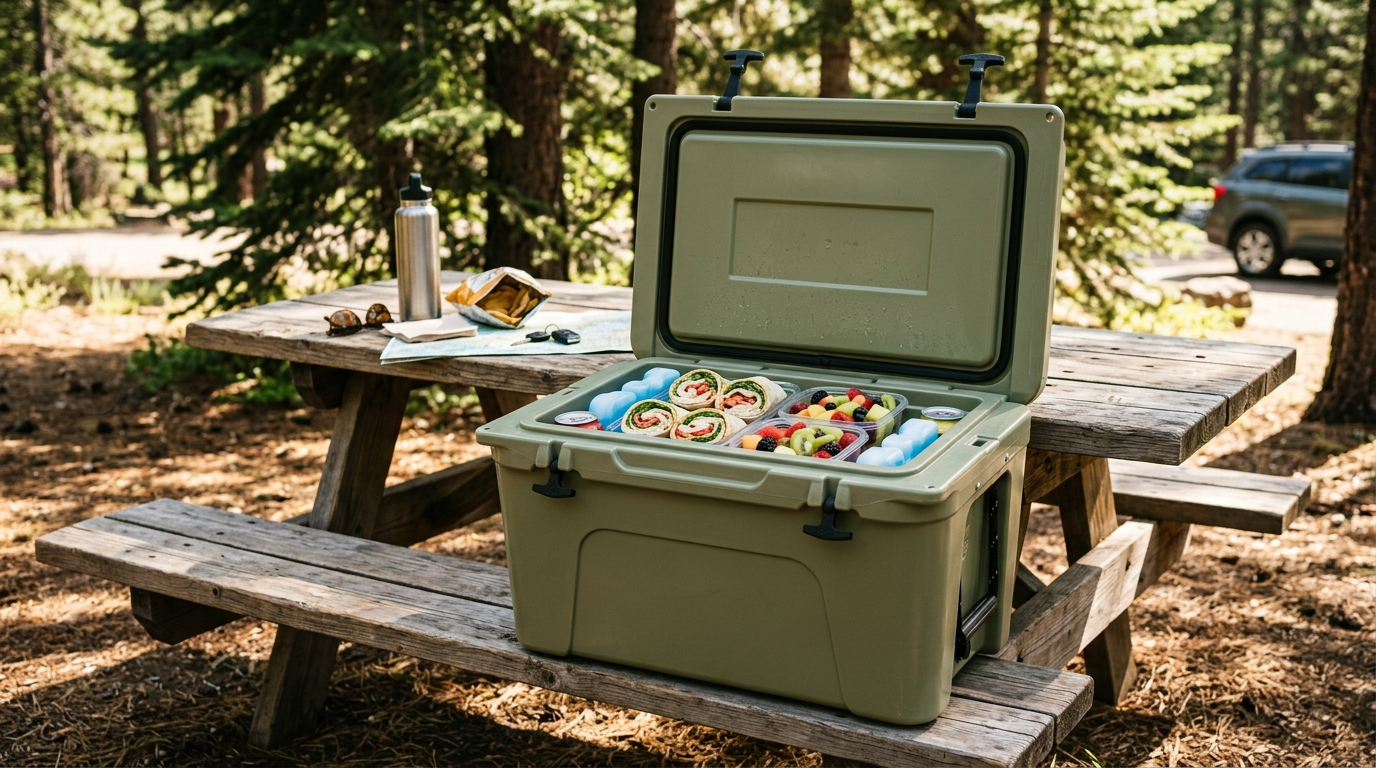
    Relying on fast food drive-thrus for five straight days causes sluggish energy, upset stomachs, and massive budget leaks. Prepare breakfast burritos, pasta salads, sandwiches, and cut fruit in airtight containers two days before departure. Pack everything inside a heavy-duty rotomolded cooler like a Yeti or RTIC with reusable ice blocks.

    Rest stops with grassy picnic tables offer quiet places to stretch legs and enjoy wholesome, homemade lunches. Storing prepped cooler meals saves at least fifty dollars per travel day while keeping energy levels steady across long driving stretches. It also accommodates picky toddler eating habits without stressful fast food arguments.

    8. Set Up a Vehicle Emergency Maintenance Protocol

    Breaking down on a remote desert highway with a loaded car and tired children is every military family’s nightmare. Schedule a comprehensive vehicle inspection two weeks before moving day, including tire rotations, brake checks, and oil changes. Replace worn wiper blades and test your car battery to withstand sudden climate shifts between duty stations.

    Keep a roadside emergency kit equipped with jumper cables, a portable tire inflator, extra coolant, and flashlights in your spare tire compartment. Verifying your preventative vehicle maintenance prevents costly roadside breakdowns in unfamiliar rural areas. IMO, peace of mind on the highway is worth every penny spent on pre-trip tune-ups.

    9. Establish a Portable Remote Work Station

    Working remotely while relocating requires a bulletproof setup that functions from hotel desks, base lounges, and passenger seats. Pack a lightweight laptop stand, noise-canceling headphones, a high-capacity power bank, and a dedicated mobile hotspot into a single backpack. Having your office self-contained lets you knock out client emails during rest stops or hotel evenings.

    Test cellular data coverage maps along your travel route beforehand to identify potential dead zones for urgent client calls. Maintaining a compact mobile workspace ensures career continuity without letting relocation chaos disrupt client deadlines. You remain professionally productive while moving smoothly across time zones.

    10. Create a Daily Mile Limit to Prevent Exhaustion

    Pushing through ten-hour driving stretches leads to frayed tempers, dangerous driver fatigue, and severe burnout. Cap your daily driving time at no more than six hours, or roughly three hundred and fifty miles. Stopping in late afternoon gives everyone time to swim in hotel pools, decompress, and get a full night of restful sleep.

    Arriving early at each overnight destination allows you to explore local neighborhoods and enjoy a relaxing dinner. Enforcing a strict daily mileage cap keeps everyone calm, patient, and physically refreshed throughout multi-day cross-country transfers. Vacation should feel steady rather than a grueling race against the clock.

    11. Prepare an Activity Backpack for Every Child

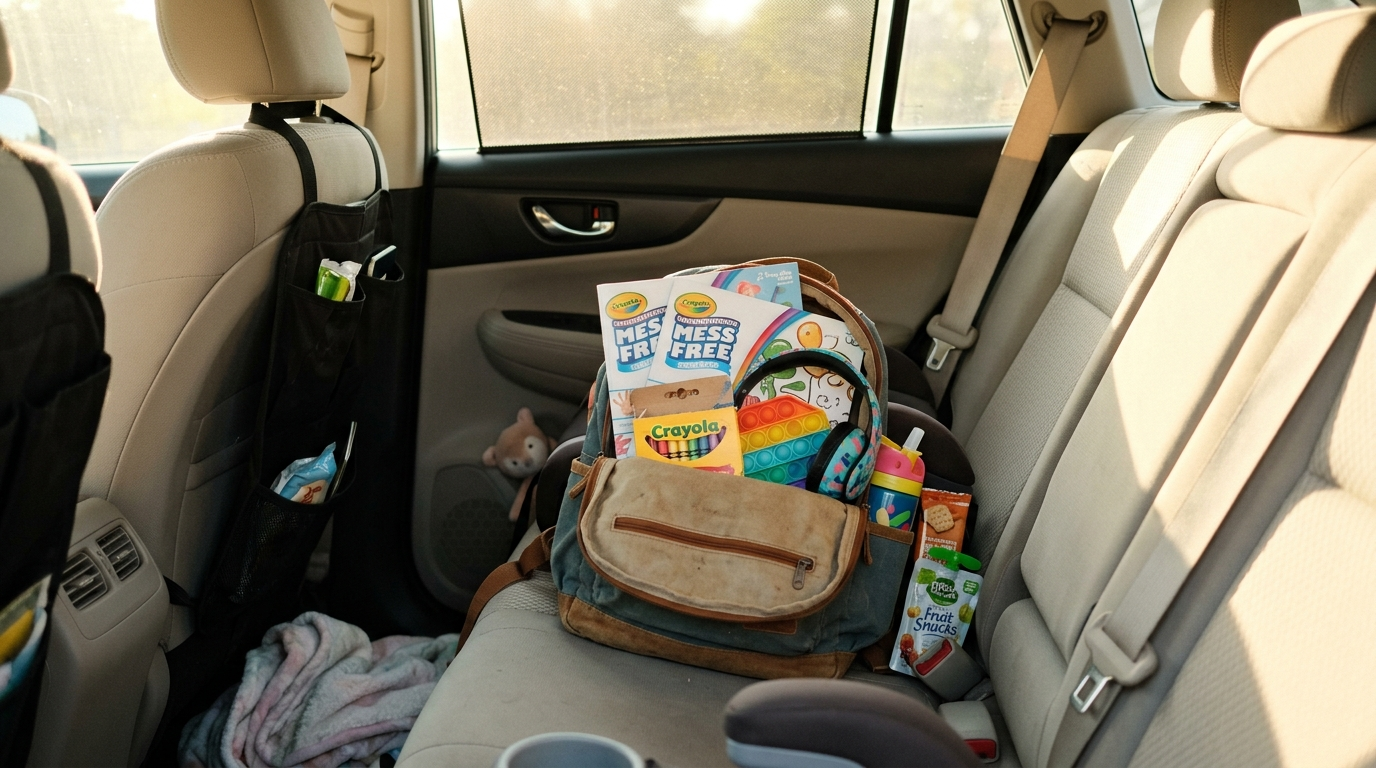
    Handing kids tablets for twelve consecutive hours often leads to sensory meltdowns and restless energy at bedtime. Equip each child with a personal travel backpack stocked with mess-free coloring books, sticker pads, audiobooks, new sensory fidgets, and wrapped surprise snacks. Hand out new items gradually across each driving milestone.

    Download offline educational games and playlists before losing cellular connectivity in mountainous regions. Providing curated travel activity kits keeps children happily occupied and reduces backseat squabbles significantly. FYI, wrapping inexpensive dollar-store activities in foil makes opening them feel like a special game.

    12. Connect with Sponsor Spouses in Your New Community

    Reaching out to local spouse networks before arriving eliminates the anxiety of navigating an unfamiliar military town. Request a sponsor through your spouse’s gaining unit or join local base spouse Facebook groups three weeks prior to arrival. Current residents provide invaluable advice on safe neighborhoods, reliable mechanics, pediatrician openings, and traffic bottlenecks.

    Ask specific questions about temporary lodging options, grocery proximity, and school enrollment requirements before arriving in town. Building an early local community connection turns a cold, unknown duty station into a welcoming hometown immediately. You step into your new assignment with trusted local guidance already in place.

    13. Schedule a Mandatory Decompression Day After Arrival

    Rushing to unpack fifty boxes the second movers drop off your household goods leads to immediate physical collapse. Block out the day after delivery for complete rest, ordering pizza, and exploring a nearby park or cafe. Practicing foolproof travel planning routines for frequently relocating military spouses includes giving your family grace to adjust slowly.

    Accept that cardboard boxes can sit in the garage for a few extra days while you catch your breath. Taking an unstructured recovery day resets your mental battery and helps kids settle emotionally into their new bedrooms. A successful move ends with rest, not an exhausting sprint to the finish line.

    Frequently Asked Questions

    How do foolproof travel planning routines for frequently relocating military spouses save money?

    These structured routines help you avoid expensive last-minute bookings, reduce dining out through cooler meal prep, and track every reimbursable receipt accurately. Sticking to military lodging and planned driving schedules prevents costly impulse spending during long transitions between duty stations.

    What is the best way to handle temporary lodging allowances?

    Keep itemized receipts for every hotel night and track your daily spending against current military per diem rates for each specific zip code. Book suites with kitchenettes so you do not burn your entire food allowance on restaurant dining while waiting for permanent housing.

    How should military families organize vital records for PCS road trips?

    Place hard copies of military orders, medical records, birth certificates, and vehicle registrations inside a waterproof, portable master binder. Never pack this binder in moving crates or vehicle trunks; keep it in the front passenger seat for immediate access during travel check-ins.

    What items should never go on the military moving truck?

    Never pack irreplaceable family heirlooms, prescription medications, professional credentials, pet supplies, laptops, or initial 72-hour survival essentials in moving crates. Transport these critical items inside your personal vehicle so delays with moving contractors do not leave your family stranded.

    How can spouses maintain personal well-being during stressful relocations?

    Set firm boundaries by establishing daily driving limits and building mandatory rest breaks into every travel itinerary. Give yourself permission to leave moving boxes unpacked for a few days so you can rest, explore your new community, and recover from travel fatigue.

    Conclusion

    Relocating every couple of years never becomes entirely effortless, but having dependable routines turns overwhelming logistics into an empowering family journey. Give yourself credit for managing massive life transitions with poise, and treat each new duty station as an unwritten chapter. Which base has been your absolute favorite road trip destination so far?

  • Budget Friendly Travel Ideas for Night Shift Nurses 2026

    Budget Friendly Travel Ideas for Night Shift Nurses 2026

    Finding budget friendly travel ideas for night shift nurses feels like solving a puzzle when your circadian rhythm operates backwards from normal society. You clock out at 0730 Thursday morning with four days off, squinting into harsh sunlight with heavy eyelids. Your bank account needs protection, but your soul desperately needs an escape from call lights and telemetry alarms. Let us turn your unconventional schedule into your biggest travel superpower.

    1. Cluster 12-Hour Shifts for Natural Midweek Flight Steals

    Stacking your three shifts from Sunday through Tuesday sets up four glorious off-days when Tuesday and Wednesday airfares hit rock bottom. Airlines routinely drop ticket prices on midweek flights because business travelers fly on Mondays and leisure tourists book on Fridays. You can snatch cheap direct flights to sunny destinations without using a single hour of PTO.

    Take advantage of these discounted midweek departures right after a solid post-shift morning sleep. You bypass the airport security congestion and save hundreds on base airfare tickets. It turns your standard stretch off into an effortless mini-vacation.

    2. Book Cozy Glamping Cabins on Dark Sky Reserves

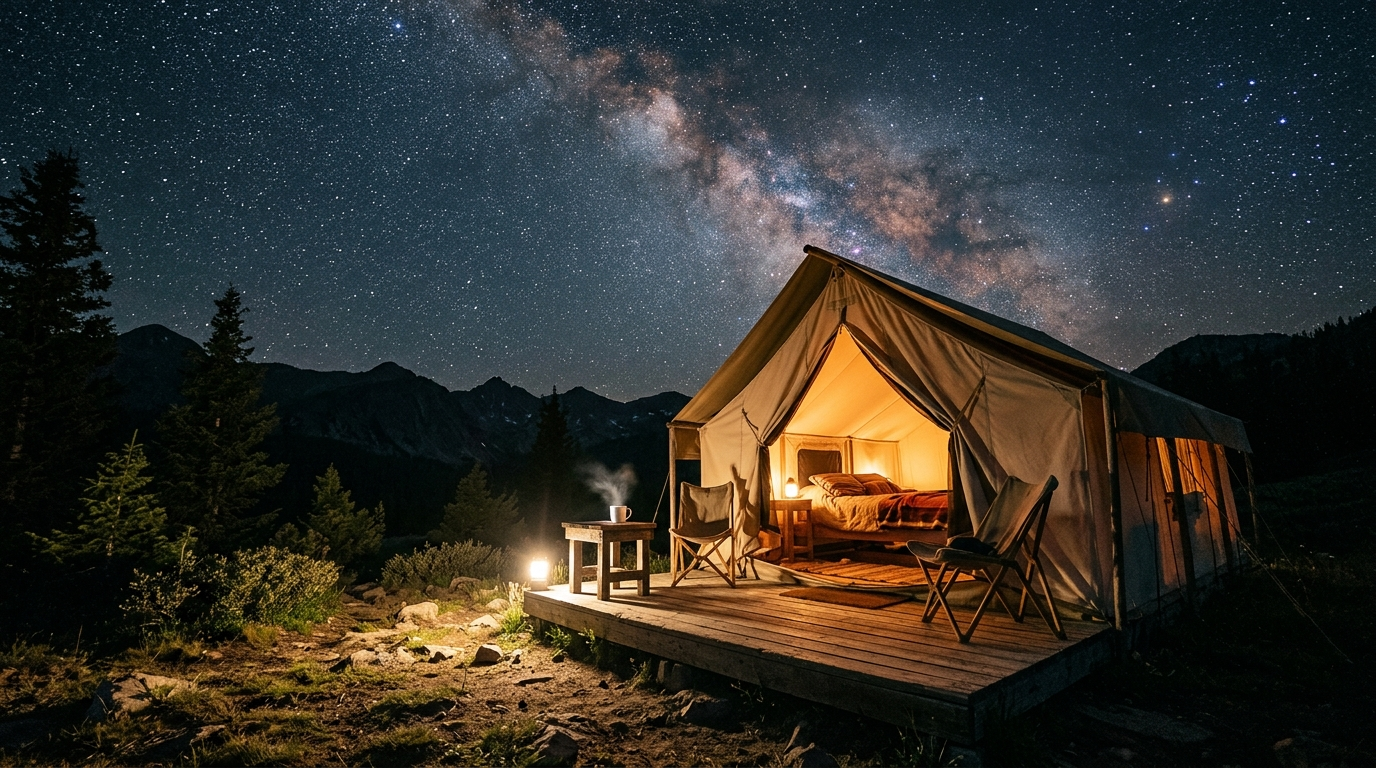
    Escaping to a designated dark sky park provides the perfect nocturnal retreat for someone whose body naturally craves nighttime waking hours. Mountain cabins near spots like Cherry Springs or Big Bend offer peaceful night walks and stargazing when ordinary tourists are asleep. You get to enjoy your awake hours without adjusting your sleep pattern.

    Reserving a rustic glamping tent during off-peak weekdays keeps rental rates surprisingly low. You sip herbal tea beneath the Milky Way in total silence, away from hospital beeps. It completely resets your overloaded nervous system without costing a fortune.

    3. Take Advantage of Low-Cost Red-Eye Flights

    Boarding a midnight flight terrifies typical day-shift workers, but night shift staff naturally thrive during these quiet late hours. Budget carriers offer substantial discounts on overnight routes that depart at midnight and arrive at sunrise. You step onto the plane when your brain is naturally alert and awake anyway.

    Grabbing a cheap red-eye flight lets you save the cost of a hotel night while traveling across several time zones. Pack an eye mask and grab coffee right when you land at your destination. You hit the ground running for morning coffee in a brand-new city.

    4. Target Historic Bed and Breakfasts on Weekdays

    Small countryside inns usually sit empty between Sunday afternoon and Thursday morning, prompting owners to slash their nightly rates. Booking a midweek room at a historic inn gets you boutique charm, free homemade breakfasts, and peaceful gardens for a fraction of weekend prices. You receive personalized hospitality without the weekend crowds.

    Ask the innkeeper in advance for a quiet rear room away from main roads and breakfast prep areas so you can sleep during daylight hours. Most hosts happily accommodate daytime sleepers with extra room darkening shades. You wake up refreshed to quiet afternoon tea.

    5. Rent Campervans for Quiet Coastal Road Trips

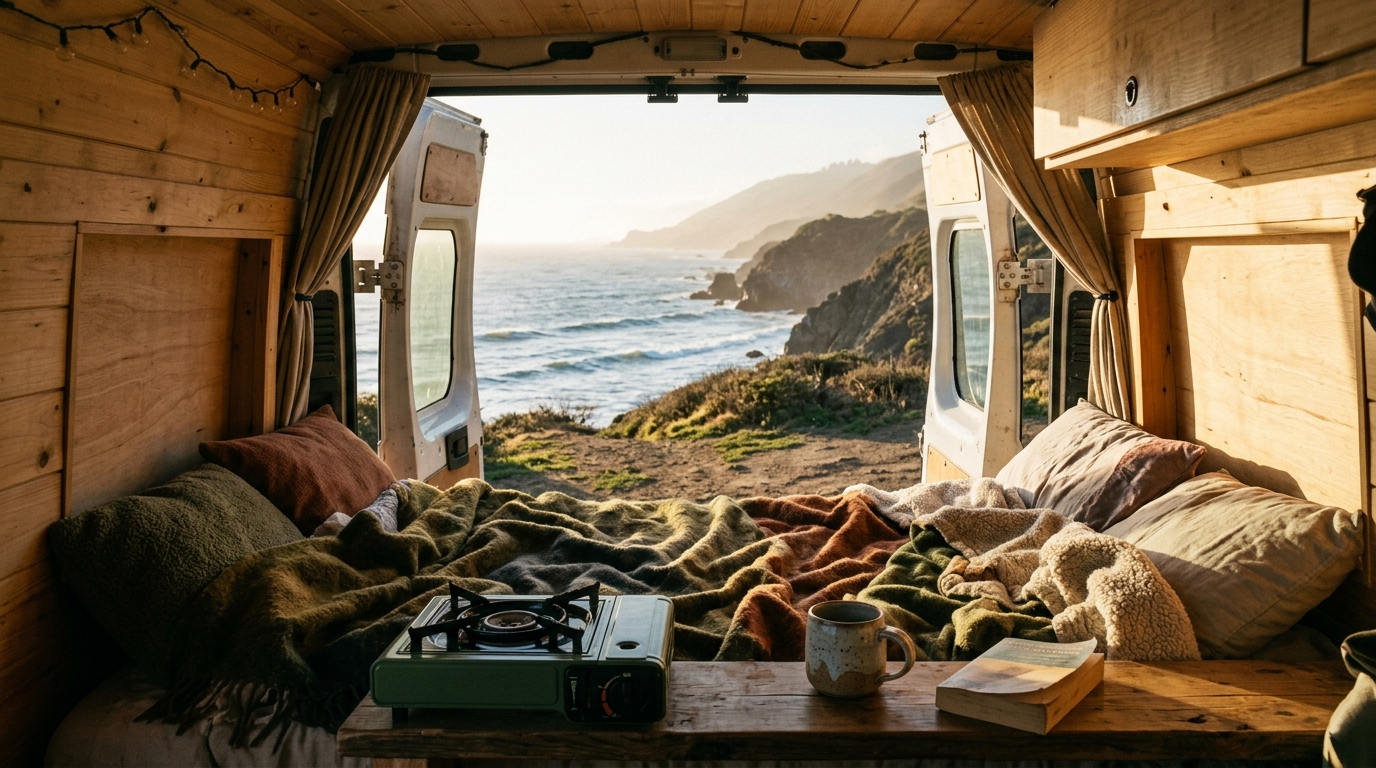
    Cruising along scenic coastal highways in a converted budget campervan removes lodging costs and restaurant markups entirely. Platforms like Outdoorsy often feature deep weekday rental discounts for compact camper conversions. You have your bed, stove, and blackout window covers everywhere you park.

    Pull into low-cost state campground sites to enjoy scenic beach camping on your own fluid schedule. Cook fresh local groceries on a portable camp stove while listening to crashing waves. It offers complete freedom without the rigid deadlines of hotel checkout times.

    6. Budget Friendly Travel Ideas for Night Shift Nurses in State Parks

    Exploring regional state parks between Tuesday and Thursday gives you total access to hiking trails without fighting for parking spots. State park cabins provide air-conditioned, low-cost lodging nestled deep in serene pine forests. Testing budget friendly travel ideas for night shift nurses in nature allows you to decompress from heavy clinical shifts.

    Buy an annual state park pass to eliminate individual day-use vehicle fees across multiple trips throughout the year. You can hike shaded forest loops in the cool morning air and rest in a hammock during warm afternoons. It gives your mind a clean break from fluorescent hospital halls.

    7. Rent Off-Grid Cabins with Blackout Curtains

    Finding accommodations that respect daytime sleeping needs makes or breaks a post-shift recovery getaway. Look for secluded A-frame cabins or tiny homes on Hipcamp that emphasize heavy window drapes or forested shade. Blocking harsh afternoon sun ensures you get seven hours of unbroken sleep.

    Confirming the presence of effective window coverings protects your circadian rhythm while you transition between shifts. You wake up at dusk feeling energized, ready to start a campfire and cook dinner beneath the stars. Secluded cabins keep noisy neighbors from interrupting your daytime rest.

    8. Book Day-Use Hotel Rooms for Layover Sleeps

    Landing in a new city at 0800 after a grueling string of shifts leaves you desperate for a bed before afternoon check-in. Apps like Dayuse let you book four-star hotel rooms for six-hour daytime blocks at seventy percent off standard overnight rates. You get hot showers, plush mattresses, and total darkness.

    Taking advantage of discounted day-use lodging prevents the physical misery of dragging luggage through crowded streets while exhausted. Sleep soundly through midday, shower, and step outside right as the city comes alive for evening dining. It provides instant luxury at a backpacker price point.

    9. Visit Midweek Thermal Springs and Mineral Spas

    Soaking in natural geothermal hot springs heals the physical strain of twelve hours spent lifting patients and running down linoleum corridors. Commercial hot springs and bathhouses charge hefty weekend admission fees, but weekday morning entry passes remain remarkably cheap. You soak in peaceful mineral water surrounded by mountain vistas.

    Enjoying rejuvenating thermal baths during slow morning hours guarantees empty pools without splashing tourists. The mineral-rich water eases sore lower back muscles and calms nervous system tension. IMO, a four-hour morning soak provides deeper recovery than three days of lounging on a couch.

    10. Explore Small Coastal Towns in Shoulder Seasons

    Beach towns transform into affordable havens the moment summer tourists head back to work in September and October. Oceanfront motels slash rates by more than half, offering balcony views of rolling waves for pocket change. You can walk along quiet beaches wrapped in an oversized knit sweater.

    Targeting shoulder season getaways lets you sample fresh seafood at harbor shacks without hour-long waits. The brisk ocean air clears mental exhaustion from intensive care units or emergency departments. You get the entire coastline to yourself for peaceful reflection.

    11. Take Scenic Midweek Train Journeys

    Riding passenger trains like Amtrak across mountain passes or coastal corridors provides relaxing transit without the hassle of driving while drowsy. Midweek coach tickets cost very little, and wide reclining seats give you plenty of legroom to nap. Large panoramic windows let you watch rivers and pine valleys roll by effortlessly.

    Selecting budget train routes turns transit time into a tranquil sightseeing experience with zero road rage. Sip coffee in the observation car as dawn breaks over misty river valleys. You arrive directly downtown in your destination without paying for airport transfers or parking garages.

    12. Swap Shifts for Six-Day Mini Vacations

    Arranging a strategic shift trade with a coworker creates a six-day stretch of freedom without touching your paid time off balance. Work three shifts early in week one, then work three shifts late in week two. That leaves nearly a full week in between to embark on a legitimate regional journey.

    Implementing these strategic shift swaps lets you travel internationally to nearby Caribbean islands or Mexico during off-peak windows. You score cheap round-trip flights and return to work without burning valuable vacation accrual hours. FYI, coworkers often gladly take your weekend shifts in exchange for weekday coverage.

    13. Book Farm Stays and Rural Agritourism Spots

    Renting a converted barn studio or farm cottage gives healthcare workers a quiet sanctuary far removed from hospital monitors and paging systems. Agritourism platforms offer charming rural stays with fresh farm eggs, mountain views, and friendly animals at modest rates. You experience slow living and fresh air on peaceful acreage.

    Choosing peaceful farm retreats allows you to wander through orchards and read on porch swings without city sirens. Gathering your own morning produce makes cooking simple and grounding. It delivers a deeply restorative mental reset before your next three-night hospital stretch begins.

    Frequently Asked Questions

    Why are budget friendly travel ideas for night shift nurses easier to plan around midweek schedules?

    Airlines, hotels, and vacation rentals experience their lowest demand on Tuesdays and Wednesdays. Because night shift nurses frequently finish three-day shift blocks midweek, putting these budget friendly travel ideas for night shift nurses into practice lets you secure off-peak pricing without burning vacation days. You save money while avoiding weekend crowds.

    How do I manage sleep on the first day of a post-shift trip?

    Sleep for four to five hours immediately after your final morning shift, wearing a silk eye mask and earplugs. Wake up around 1:00 PM, shower, pack your car, and head out. This gives you enough daylight energy to travel safely while staying sleepy enough for a solid night.

    What is the best way to handle blackout curtains when traveling on a budget?

    Pack portable suction-cup blackout blinds or two large dark garbage bags with painter tape in your luggage. They pack flat, weigh almost nothing, and turn any bright motel window into a pitch-black cave. You protect your daytime sleep schedule without paying extra for luxury hotel suites with blackout drapery.

    Is solo travel safe for tired nurses traveling after shift blocks?

    Solo travel is very safe if you rest adequately before getting behind the wheel. Never drive long highway distances straight out of a twelve-hour night shift. Take a nap first, use well-reviewed accommodations with secure check-in, and share your live location with a trusted colleague or family member.

    Which travel gear is essential for night shift getaways?

    Bring high-fidelity noise-canceling earplugs, a contoured eye mask, a white noise mobile app, and a portable insulated coffee tumbler. Having these simple tools ensures you can fall asleep in unfamiliar environments regardless of daytime lawn mowers, bright streetlights, or noisy hotel corridors.

    Conclusion

    Working the night shift gives you a rare scheduling edge that typical Monday-to-Friday workers can only dream about. Embrace your off-peak freedom, protect your daytime rest, and treat yourself to the affordable getaways you have worked so hard to earn. Where are you heading on your next stretch of days off?

  • Easy Destination Shortlisting Ideas for Indecisive Travelers 2026

    Easy Destination Shortlisting Ideas for Indecisive Travelers 2026

    Using easy destination shortlisting ideas for indecisive travelers will save your sanity when picking a simple vacation spot triggers full-blown analysis paralysis. You scroll through endless travel blogs, bookmark thirty TikTok videos, and argue with yourself until booking windows close completely. Vacation planning should feel thrilling, not like an unpaid corporate research project. Let us cut through the noise and finally lock in your next trip.

    1. The Flight Roulette Rule Using Google Flights Explore

    Open Google Flights, type in your home airport, leave the destination box completely blank, and hit search. This visual map shows you real-time prices for hundreds of destinations worldwide for your chosen dates. It removes the burden of picking a spot out of thin air by presenting hard data immediately.

    Filter the results to show only flights under your specific budget threshold. This budget-first discovery method instantly narrows dozens of vague options down to three genuinely realistic cities. You will often discover charming mid-sized destinations you never considered before.

    2. Establish a Non-Negotiable Single Vibe Filter

    Stop trying to plan a trip that combines mountain trekking, beach lounging, museum hopping, and late-night partying into four days. Pick exactly one sensory feeling you want to experience, such as crisp mountain air or warm ocean breezes. Choosing a single atmosphere eliminates ninety percent of conflicting travel ideas immediately.

    Write your chosen core atmosphere on a piece of paper as your dominant trip vibe. If a destination does not deliver that specific feeling effortlessly, cross it off your master list without a second thought. This mental boundary keeps your focus sharp and prevents decision fatigue.

    3. Run a Strict Three-Option Elimination Bracket

    Limit your master list of potential vacation spots to a maximum of three candidates. Pit two destinations against each other in a head-to-head matchup and ruthlessly eliminate the loser based on total travel time or lodging prices. The winner then faces the third remaining destination for the final prize.

    This structured head-to-head tournament cuts emotional attachment to places you cannot visit this year anyway. Forcing direct comparisons clarifies what matters most to you right now, whether that is convenience or novelty. You end up with one clear winner in less than ten minutes.

    4. Filter Choices Strictly by Direct Flight Paths

    Long layovers and tight connections introduce massive stress, baggage risks, and wasted vacation days. Look up your local airport departure board and list every city reachable by a direct nonstop route. Narrowing your search radius strictly to direct routes simplifies your travel day immensely.

    Nonstop journeys preserve precious energy and give you several extra hours on the ground. Choosing a direct flight route means you step onto one airplane and arrive at your hotel before dinner. If getting to a city requires two layovers and a ferry, save it for when you have two weeks off.

    5. Easy Destination Shortlisting Ideas for Indecisive Travelers on a Budget

    Setting a strict total spending limit eliminates expensive spots instantly before you waste hours daydreaming about them. Calculate your maximum comfortable budget for flights, accommodation, and food combined. Cross off any country where the local exchange rate or average nightly hotel cost exceeds your daily target.

    Testing these easy destination shortlisting ideas for indecisive travelers prevents financial buyer’s remorse later. Defining your maximum daily spending limit cuts out fifty percent of global options before you even open a hotel booking app. You focus exclusively on places where your money stretches comfortably.

    6. Pick Based on One Specific Meal You Crave

    Food memories often define the success of a vacation far more than sightseeing monuments. Think about the exact type of cuisine that makes your mouth water right now, whether it is authentic street tacos or handmade pasta. Choose a destination known globally for perfecting that single dish.

    Centering your decision around a signature regional dish provides an instant, enthusiastic purpose for your trip. You stop debating generic attractions and start looking forward to breakfast, lunch, and dinner. Tasting genuine regional flavors on location delivers unmatched travel satisfaction every single time.

    7. Let Weather Forecasts Make the Final Call

    Nothing ruins a much-needed break faster than unexpected monsoons, oppressive humidity, or freezing sleet. Check historical weather patterns and current seasonal forecasts for your top three destinations during your exact travel week. Eliminate any location entering its rainy season, peak typhoon window, or extreme heat wave.

    Choosing destinations during their ideal climate window guarantees you spend your days outside enjoying the city rather than hiding in hotel lobbies. Pleasant temperatures make walking everywhere effortless and keep your packing list remarkably light. Good weather alone can turn an average trip into an unforgettable experience.

    8. Cap Your Research Window at Sixty Minutes

    Indecisive travelers often spend weeks collecting hundreds of social media reels, bookmarking blogs, and overthinking options. Relying on easy destination shortlisting ideas for indecisive travelers helps you protect your time and energy. Set a sixty-minute timer on your phone, sit down with a blank notepad, and research your top contenders.

    Establishing a timed research cutoff stops the vicious cycle of second-guessing yourself before it starts. You already possess enough basic information to know if a city appeals to you. Trust your initial instincts instead of seeking endless validation from strangers on the internet.

    9. Use the Coin Flip Gut Check Trick

    Assign your two favorite remaining destinations to heads and tails on a standard coin. Flip the coin high into the air, catch it on your wrist, and cover it with your hand. Pay close attention to which outcome your heart silently hopes to see before you lift your fingers.

    Your subconscious reaction reveals your true emotional preference far better than any spreadsheet ever could. If you feel a wave of disappointment when you see the result, pick the other destination immediately. That instant split-second feeling tells you exactly where you genuinely want to go.

    10. Follow the Shoulder Season Calendar

    Traveling during peak summer brings massive crowds, inflated prices, and long ticket lines that multiply stress. Search for destinations currently entering their shoulder season, which typically falls in spring or autumn. These sweet spots offer great weather, affordable lodging, and half the tourist density.

    Targeting a shoulder season travel window takes the pressure off booking months in advance. You enjoy popular sights without feeling like cattle in an overcrowded pen. IMO, visiting Mediterranean coastal towns in late October provides a far better experience than visiting during scorching July.

    11. Base Your Choice on Walkability Scores

    Relying on expensive rental cars, confusing parking rules, or endless taxi rides can turn travel into a daily chore. Check Walk Score or city transit guides to find cities where you can explore entirely on foot or via simple metro lines. Pedestrian-friendly destinations simplify your daily logistics down to zero.

    Stepping out of your hotel directly into a high walkability neighborhood lets you discover hidden cafes, small squares, and quiet parks naturally. You save hundreds of dollars on local transportation while burning off hearty meals. Walking through historic city centers remains the purest way to experience a culture.

    12. Delegate the Final Decision to Your Travel Partner

    Staring at two equally appealing choices can freeze your ability to make a choice. Pick your top two favorites that you would be thrilled to visit, hand the list to your travel partner or a close friend, and let them choose. Agree beforehand to accept their selection without any debate or hesitation.

    Practicing shared decision delegation lifts the psychological weight of picking the perfect spot off your shoulders. You get to look forward to the journey without stressing over whether you made the right call. FYI, friends often pick based on fresh enthusiasm that re-energizes your own excitement.

    13. Pick the Place with the Easiest Logistics

    Complex visa applications, mandatory health forms, and complicated airport transfers drain your motivation before you even pack a suitcase. When you feel torn between two great places, pick the one with minimal entry requirements and simple public transit from the airport. Smooth logistical paths make the entire getaway feel effortless.

    Choosing a destination with frictionless entry requirements guarantees a calm departure day from start to finish. You bypass bureaucratic paperwork and stressful transit schedules entirely. Spending less time organizing documents leaves more mental room to enjoy your well-deserved break.

    Frequently Asked Questions

    How do easy destination shortlisting ideas for indecisive travelers reduce booking anxiety?

    These techniques simplify overwhelming choices into manageable steps. By setting clear boundaries around budget, flight duration, and travel vibes, you eliminate hundreds of distracting possibilities. You gain total confidence in your choice because your decision is backed by practical filters rather than emotional guesswork.

    How many destination options should I consider at once?

    Never evaluate more than three destinations at the same time. Looking at ten different cities at once triggers decision paralysis and cognitive fatigue. Pick your top three based on flight availability and budget, then eliminate two using a simple head-to-head comparison bracket.

    What is the best app for finding cheap flights quickly?

    Google Flights Explore is the undisputed gold standard for indecisive travelers. It allows you to search the entire world map with flexible dates and strict budget caps. Skyscanner and Hopper also offer great price tracking tools to help you book when prices drop.

    How far in advance should indecisive travelers book flights?

    Aim to book domestic flights one to two months in advance, and international trips two to four months ahead. Booking inside these windows ensures reasonable prices without giving your brain endless weeks to overthink, second-guess, or cancel your travel ideas.

    What should I do if I regret my destination choice after booking?

    Remind yourself that every destination holds unique, unexpected adventures once you arrive. The feeling of regret is usually just pre-trip nervousness disguised as doubt. Shift your focus toward researching two great restaurants or a fun neighborhood walk to build positive momentum.

    Conclusion

    Vacations are meant to recharge your spirit, not test your stamina through endless decision marathons. Pick the city that feels easiest right now, book your tickets, and trust that a fantastic adventure will unfold. Which destination is currently sitting at the top of your shortlist?

  • Beginner Friendly Airport Calming Tips for Anxious Flyers 2026

    Beginner Friendly Airport Calming Tips for Anxious Flyers 2026

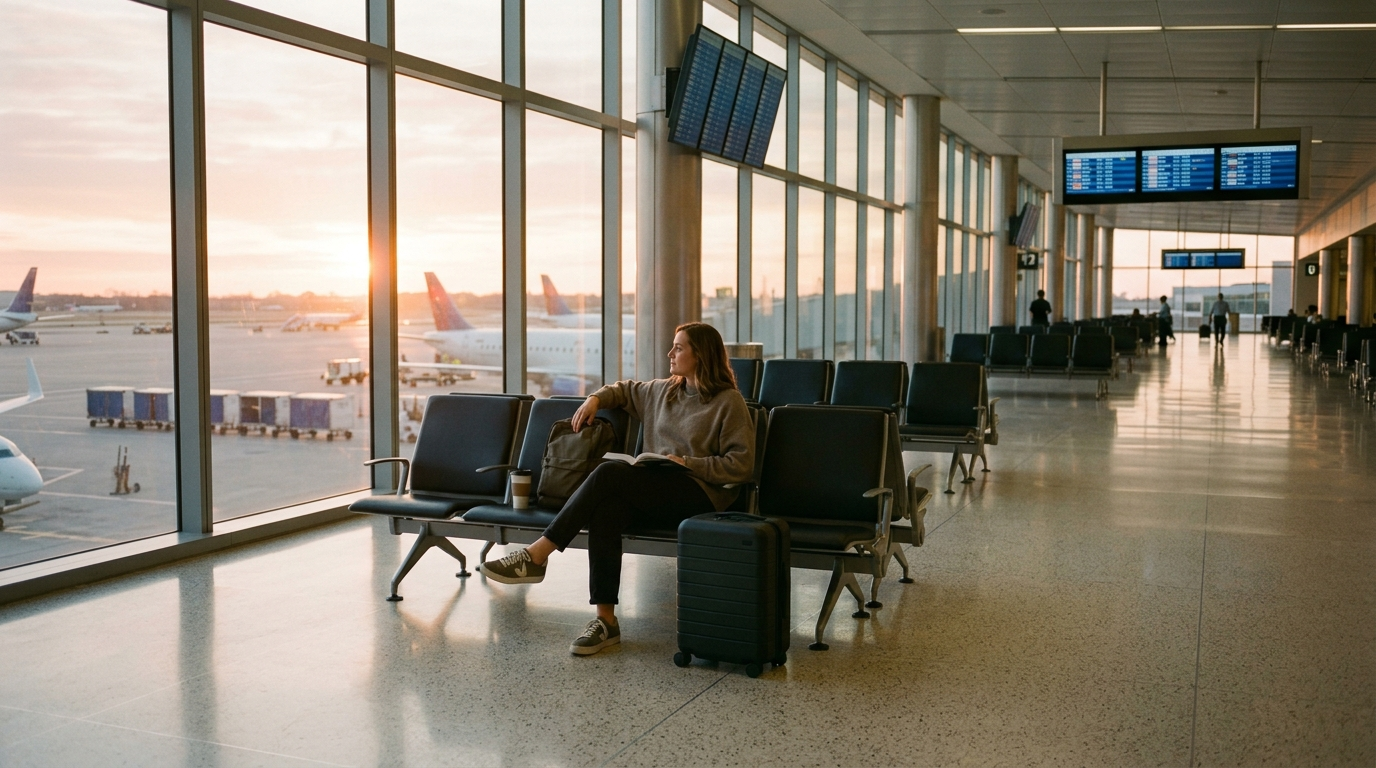
    Mastering beginner friendly airport calming tips for anxious flyers changes everything when your palms start sweating before you even reach the curb. The blaring announcements, aggressive security lines, and endless crowds can trigger immediate sensory panic. Your chest tightens, and suddenly boarding feels impossible. You do not have to white-knuckle your way through the terminal. Take back control with simple habits that make travel genuinely manageable.

    1. Arrive Three Hours Early to Eliminate Time Pressure

    Rushing to the terminal creates instant adrenaline spikes that make existing anxiety spiral out of control. Giving yourself an extra hour transforms a chaotic sprint into a slow, predictable stroll where unexpected delays cannot hurt your schedule. You never have to sprint through crowded concourses or stress over slow baggage drop lines.

    Find a comfortable seat near your check-in counter and settle in before tackling the security screening checkpoint. This intentional buffer window prevents the panic of watching minutes tick away while waiting for airport shuttles or ticket agents. You control your physical pace completely.

    2. Wear Slip-On Shoes and Layered Breathable Clothing

    Fumbling with complex laces, belts, and tight jackets under the harsh glare of security staff triggers unnecessary stress. Choose loose cotton layers, elastic waistbands, and comfortable slip-on sneakers that slide off effortlessly in the inspection line. Preparing your outfit ahead of time removes embarrassing fumbling at the x-ray bins.

    Dressing in soft, temperature-regulating fabrics helps manage sudden hot flashes caused by travel nerves. Bringing a cozy fleece travel wrap gives you both physical warmth and a familiar feeling of home comfort while sitting in drafty departure areas. You stay physically relaxed despite fluctuating terminal temperatures.

    3. Scout Out an Empty Gate Far from Crowded Zones

    Your assigned departure gate often feels like a noisy anthill packed with restless passengers, barking loudspeakers, and rolling luggage. Walk down the concourse to find an unassigned gate area with dark screens and empty rows of blue seats. These forgotten corners offer incredible peace away from the main passenger flow.

    Setting up camp in a deserted boarding area creates an immediate visual and auditory boundary away from chaotic foot traffic. Set a quiet vibration alarm on your smartphone for boarding time so you can relax without staring at departure monitors every thirty seconds. You get total peace without risking a missed flight.

    4. Beginner Friendly Airport Calming Tips for Anxious Flyers Facing Security Lines

    Airport security checkpoints represent the single most overwhelming hurdle for anyone dreading the flying process. You must unpack your electronics, take off outerwear, and follow rapid barked orders from uniformed personnel in front of dozens of watching strangers. That sensory blitz often sparks intense claustrophobia and panic.

    Remember that practicing beginner friendly airport calming tips for anxious flyers means organizing your carry-on bag long before stepping into the queue. Pack your liquids and laptop into a dedicated exterior pocket so you pull them out in one fluid motion without holding up the line. Moving smoothly through screening keeps your heart rate remarkably steady.

    5. Pack an Emergency Sensory Grounding Kit

    Sensory overload accelerates travel panic by bombarding your eyes, ears, and nervous system with chaotic stimuli. Prepare a small zipper pouch packed with strong peppermint gum, lavender essential oil roll-ons, and textured sensory stones. Having tangible tools ready inside your personal bag provides instant mental reassurance.

    Inhaling crisp peppermint or rubbing a smooth worry stone activates your parasympathetic nervous system within seconds. Relying on this portable tactile grounding kit gives your mind a physical anchor when racing thoughts start taking over your brain in crowded corridors. It brings your runaway focus straight back into the present moment.

    6. Sip Ice Water Instead of Ordering Caffeinated Drinks

    Grabbing a large espresso before boarding might seem like a harmless ritual, but caffeine mimics the exact physiological symptoms of panic. It elevates your heart rate, dries out your mouth, and makes your hands shake uncontrollably. Adding stimulants to an already anxious nervous system invites disaster.

    Fill an insulated water bottle at a hydration station right after clearing security. Drinking cold water triggers the mammalian dive reflex, which naturally slows down a pounding pulse and keeps you grounded. Add an electrolyte packet to prevent dehydration from dry airport air.

    7. Download the Airline App for Silent Real-Time Gate Updates

    Straining to hear garbled public address announcements over screaming children and blaring news televisions spikes your baseline stress levels. Airline mobile apps send push notifications about gate changes, delays, and boarding group calls straight to your lock screen. You no longer have to decipher muffled microphone static.

    Enabling these instant notifications provides direct digital status tracking without requiring you to sit directly under loudspeaker horns. You can sit peacefully in a quiet corner with your eyes closed, trusting your phone to alert you when your specific row boards. Technology does the tracking while you preserve your mental energy.

    8. Walk the Terminal Perimeter to Burn Off Adrenaline

    Sitting rigidly in a gate seat allows fight-or-flight energy to pool in your chest and leg muscles. Walking up and down long terminal hallways burns off excess stress hormones and releases physical tension built up during the taxi ride. Movement gives your nervous system a constructive physical outlet.

    Keep a steady, deliberate pace while admiring the tarmac views through large glass windows. Engaging in low-intensity airport walking occupies your restless energy and redirects your attention toward mechanical sights like baggage loaders and taxiing jets. Movement transforms nervous jitters into calm physical fatigue before you board.

    9. Practice the 4-7-8 Breathing Technique in a Quiet Restroom

    When crowds become unbearable, private multi-stall family restrooms offer a private sanctuary with a lockable door. Step inside, wash your hands with cold water, and close your eyes away from watchful eyes. Taking five minutes of absolute solitude allows your nervous system to reset.

    Inhale quietly through your nose for four seconds, hold that breath for seven seconds, and exhale completely through your mouth for eight seconds. This classic vagus nerve stimulation resets your respiration pattern and halts runaway adrenaline production. Two minutes of structured breathing makes an incredible difference in restoring composure.

    10. Wear High-Fidelity Earplugs to Cut Low Terminal Hum

    Airports produce a constant drone of jet engines, ventilation fans, rolling suitcase wheels, and background chatter that taxes the brain. High-fidelity earplugs like Loop Quiet or standard silicone plugs soften harsh frequencies without cutting you off from emergency alerts. You preserve situational awareness while muting painful volume spikes.

    Popping in these discreet plugs creates immediate acoustic comfort that softens the sharp edge of noisy departure lounges. You remain aware of your immediate surroundings while filtering out the exhausting sonic clutter that drains your emotional stamina. Your brain stays peaceful even amid heavy passenger traffic.

    11. Inform the Gate Agent About Your Pre-Flight Nerves

    Suffering in silence makes panic feel larger and more dangerous than it actually is. Walk up to the customer service counter at your departure gate during a lull and politely mention that you struggle with flying anxiety. Airline staff encounter nervous travelers every single day and know how to assist.

    Gate agents appreciate early communication and can provide courtesy pre-boarding access so you settle into your seat without fighting crowded aisle scrums. Knowing the crew is aware of your discomfort removes the fear of having an unexpected panic attack among strangers. You feel supported before the boarding doors even close.

    12. Create a Comforting Visual Boarding Ritual

    Watching the jetway door swallow passengers one by one can make entering the plane feel like walking into a trap. Creating a simple, repeatable visual sequence gives your brain a comforting task to focus on during the boarding process. Predictable routines counteract irrational fear triggers effectively.

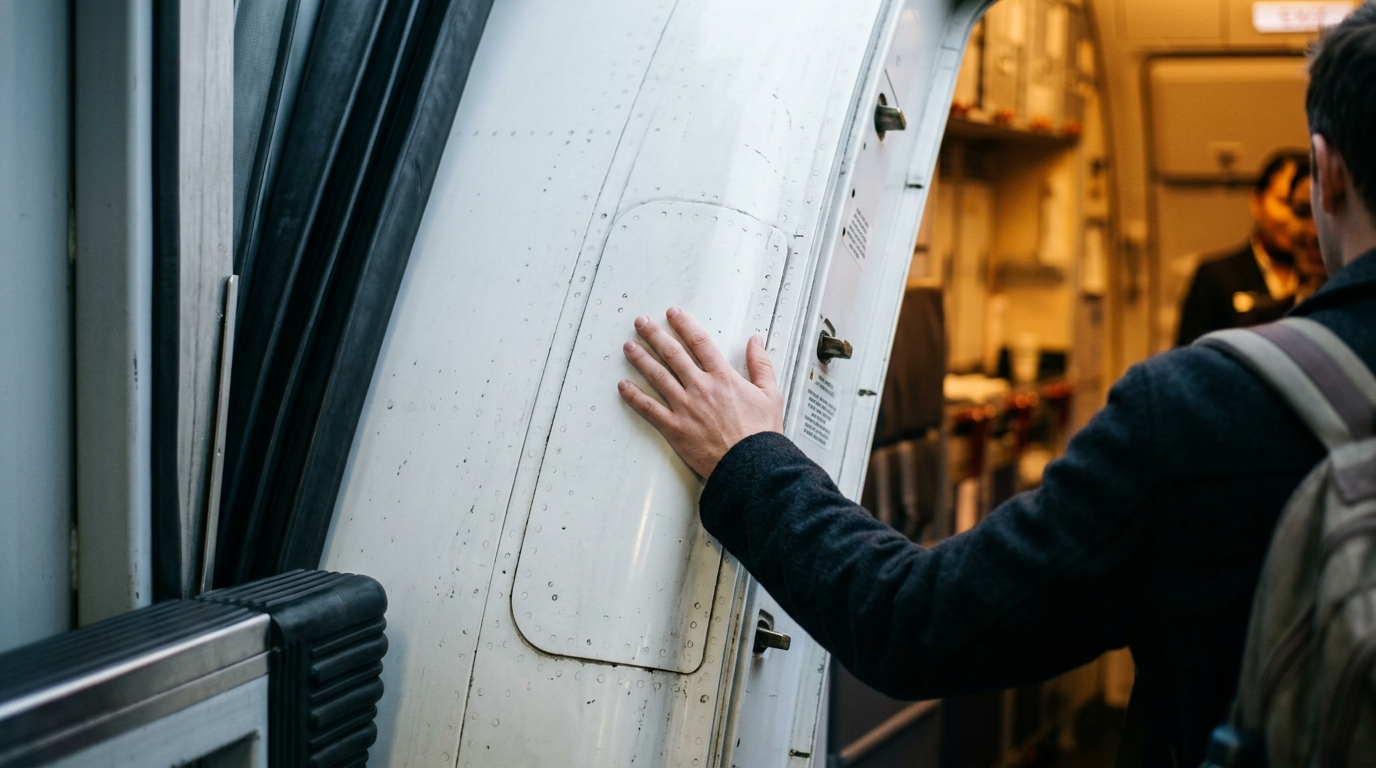
    Utilizing structured, beginner friendly airport calming tips for anxious flyers includes touching the aircraft exterior hull and silently acknowledging the pilot. Performing this mindful boarding ritual grounds you in reality and replaces catastrophic thinking with familiar, calming muscle memory as you step on board. You cross the threshold on your own terms.

    13. Pick a Pre-Flight Meal High in Protein and Complex Carbs

    Skipping meals due to nervous nausea drops your blood sugar and amplifies physical shakiness. Avoid greasy fast food and sugary snacks from airport kiosks that cause energy crashes right when boarding starts. Nourishing your body with clean food keeps your brain resilient.

    Choose a grilled chicken wrap, oatmeal, or a Greek yogurt bowl from a sit-down cafe. Eating steady energy fuel keeps your blood glucose stable and prevents dizziness from compounding your flight worries. IMO, a fed stomach always handles nervous turbulence far better than an empty one.

    14. Load Your Phone with Offline Comfort Media

    Unreliable airport internet connections and missing airplane signals can leave you stranded with nothing to distract an overactive imagination. Download cozy podcasts, familiar comfort sitcoms, and ambient rain playlists to your device before leaving home. Having trusted audio ready keeps your thoughts anchored.

    Listening to familiar voices on a pre-loaded comfort playlist redirects your mental bandwidth away from catastrophic flight scenarios. Keep a portable power bank plugged in so your battery stays full throughout any unexpected tarmac delays. Having guaranteed entertainment on standby provides immense emotional security.

    Frequently Asked Questions

    How do beginner friendly airport calming tips for anxious flyers help on travel day?

    These practical routines break down an overwhelming airport environment into small, manageable actions. They lower physical adrenaline levels, reduce auditory sensory overload, and give you clear personal boundaries. You regain a sense of predictable control instead of feeling swept away by chaos and crowded terminals.

    What should I do if I feel a panic attack starting at the boarding gate?

    Step away from the crowd immediately and find a quiet window or family restroom. Splash cold water on your wrists, pop a sour candy into your mouth, and focus on slow exhalations. Remind yourself that adrenaline spikes naturally peak and subside within ten to fifteen minutes.

    Can I ask to board the airplane early if I have severe flight anxiety?
    Yes, airlines accommodate passengers who need extra time to settle into their seats comfortably. Approach the gate agent about thirty minutes before boarding starts and explain your situation kindly. Most agents will happily add you to the pre-boarding group so you can bypass crowded aisle scrums.

    Which seat location on the airplane is best for nervous flyers?

    Book a seat directly over the wing toward the middle of the aircraft cabin. This area experiences the least amount of movement during normal turbulence. An aisle seat also helps you avoid feeling trapped, giving you easy access to stretch your legs whenever the seatbelt sign turns off.

    How early should an anxious traveler arrive at the airport?

    Plan to arrive at least three full hours before domestic departures and four hours before international flights. Having abundant extra time eliminates the frantic panic of long security lines and unexpected delays. You can sit calmly, eat a snack, and adjust to the environment at your own pace.

    Conclusion

    Taking the fear out of flying begins long before the plane wheels lift off the runway. Give yourself grace, take each step through the terminal slowly, and protect your peace every step of the way. What is your go-to habit for staying calm whenever airport crowds get a bit too chaotic?

  • Affordable Remote Work Travel Tips for Digital Nomads 2026

    Affordable Remote Work Travel Tips for Digital Nomads 2026

    Testing practical, affordable remote work travel tips for digital nomads becomes urgent the moment your monthly accommodation expenses completely drain your bank account. You wanted freedom, not a mountain of hidden tourist taxes and overpriced cafe lattes. Wandering across the globe while keeping your job should feel liberating rather than financially stressful. Living comfortably on a modest budget just requires smarter systems instead of sacrificing your daily sanity.

    1. Book Monthly Stays to Unlock Steep Platform Discounts

    Renting an apartment for thirty days straight often costs less than booking two separate weeks on popular rental platforms. Airbnb and Vrbo offer automated monthly price cuts ranging between thirty and fifty percent to keep their occupancy rates steady. This simple shift turns exorbitant nightly rates into manageable monthly housing costs.

    You also dodge the constant cleaning fees and platform booking charges associated with moving every few days. Staying in one place longer lets you build a real daily routine and focus on deep work without packing stress. I saved over six hundred dollars in Chiang Mai just by extending my stay past the four-week threshold.

    2. Negotiate Direct Lease Rates with Local Landlords

    Online listing platforms take hefty service commissions from both guests and hosts on every transaction. Find a place on Facebook housing groups, local expat forums, or booking sites for just two days, then tour the property in person. If you like the setup and the Wi-Fi speed, ask the landlord for a direct rental agreement.

    Cutting out platform middlemen yields massive direct lease savings for both parties involved. Landlords gladly offer discounts when they know you pay cash or bank transfer without third-party fees eating their profit. Always test the water pressure and internet speed thoroughly before handing over any cash deposit.

    3. Shift to Secondary and Regional Hub Cities

    Capital cities and major tourist hotspots drain nomadic bank accounts faster than almost anywhere else. Choosing second-tier cities like Da Nang instead of Ho Chi Minh City, or Valencia instead of Barcelona, instantly cuts your living expenses in half. These secondary hubs still offer vibrant cafe scenes, modern amenities, and reliable high-speed internet.

    You experience authentic regional hospitality without paying inflated prices for everyday essentials. Public transportation runs efficiently, street markets remain remarkably cheap, and rental competition drops significantly. IMO, smaller cities also foster closer nomad communities because people actually stay long enough to make genuine friends.

    4. Buy Regional eSIM Plans Instead of Daily Roaming

    Carrier roaming charges from your home mobile provider will destroy your monthly travel budget in a matter of days. Download apps like Airalo or Nomad before your flight to buy affordable digital data packs tailored to your specific destination. Activating an eSIM takes two minutes and connects your phone to regional cellular towers immediately upon arrival.

    Setting up local mobile data keeps you connected for client emergencies without racking up shocking bills. You can tether your laptop in a pinch if your apartment broadband drops out during an important call. Keep your primary home SIM card turned on only for essential two-factor authentication codes.

    5. Affordable Remote Work Travel Tips for Digital Nomads Chasing Free Workspaces

    Paying hefty monthly fees for trendy commercial coworking spaces is completely unnecessary in modern nomad destinations. Public libraries, modern university study halls, and quiet hotel lobbies provide fantastic quiet desks with free power outlets and high-speed Wi-Fi. Many cultural centers and municipal tech hubs welcome remote workers without demanding daily desk passes.

    Applying these affordable remote work travel tips for digital nomads protects your bottom line while keeping you productive. Rotating between two or three dependable free spaces prevents boredom and keeps your workday dynamic. You get all the productive focus of an expensive office without committing to a pricey monthly membership contract.

    6. Cook Breakfast and Lunch with Local Market Produce

    Dining out three times a day in hipster cafes looks glamorous on Instagram, but it rapidly empties your wallet. Shop at local neighborhood fruit markets and neighborhood butcher shops to stock your apartment kitchen for simple weekday meals. Preparing your own morning eggs and afternoon salads cuts your weekly food expenditure by at least seventy percent.

    Stocking up on fresh market groceries also connects you with local food culture in a grounded, authentic way. You learn regional cooking ingredients and practice interacting with local vendors in their native language. Save your restaurant budget for thoughtful weekend dinners where you can fully savor regional specialties without guilt.

    7. Travel by Sleeper Trains and Long-Distance Coaches

    Budget airlines lure travelers with cheap base fares before tacking on ridiculous baggage fees and airport transit costs. Opt for overnight sleeper trains or reputable coach services like FlixBus or Japan Rail when journeying between regional destinations. A sleeper train doubles as your overnight accommodation, eliminating a night of hotel expenses while moving you across borders.

    Booking overnight overland transit avoids the exhausting airport security lines and expensive terminal food traps. You wake up refreshed right in the center of your next city, ready to walk straight to your accommodation. Watching the country landscape unfold from a train window offers a deeply relaxing break from laptop screens.

    8. Leverage House Sitting Platforms for Zero-Cost Stays

    Pet lovers can eliminate housing costs entirely by caring for homes and companion animals while owners take vacations. Sign up for platforms like TrustedHousesitters or MindMyHouse to build a trustworthy profile with glowing references. In exchange for feeding pets and watering plants, you receive free lodging in beautiful residential homes across the world.

    Securing a verified housesitting placement provides a fully equipped home office setup without paying a single dollar in rent. You enjoy quiet residential neighborhoods, well-stocked kitchens, and high-speed residential fiber connections. It gives introverted digital nomads a cozy base to focus on intense work projects alongside furry companions.

    9. Use Multi-Currency Digital Bank Accounts to Avoid Conversion Fees

    Traditional high-street banks rob international travelers with hidden foreign transaction fees and terrible currency exchange rates. Open an account with digital banking providers like Wise or Revolut before launching your nomadic lifestyle. These platforms allow you to hold dozens of local currencies and convert money using the real mid-market exchange rate.

    Carrying a dedicated multi-currency travel card saves hundreds of dollars across a standard six-month travel period. You withdraw local cash at municipal ATMs without paying ridiculous bank markups or surprise international transaction penalties. Managing separate currency balances inside one simple mobile app keeps your finances completely transparent and under control.

    10. Join Local Co-Living Communities During Shoulder Season

    Peak tourist seasons drive up accommodation prices and attract noisy vacationers who do not respect workday routines. Plan your stays during the shoulder season months when weather remains pleasant but prices drop dramatically. Many boutique coliving spaces slash their monthly private room rates to attract reliable, long-term remote workers during slower months.

    Choosing shoulder season coliving delivers the perfect balance of budget savings and built-in community events. You work alongside dedicated professionals rather than party tourists, making networking and collaboration much more natural. You also gain access to shared workspace amenities, communal dinners, and organized weekend hikes at a fraction of high-season prices.

    11. Swap Paid Fitness Memberships for Public Calisthenics Parks

    Short-term gym passes in tourist cities often carry absurdly high administrative fees and predatory contract terms. Take advantage of outdoor calisthenics parks, scenic running trails, and bodyweight fitness apps to stay healthy on the road. Most coastal cities and European parks maintain clean, free workout stations with pull-up bars and parallel dip bars.

    Embracing outdoor bodyweight training keeps you active and physically strong without tying you down to recurring gym subscriptions. Working out in local parks exposes you to fresh air and sunshine after long hours staring at your laptop. FYI, running through historic city parks at sunset offers a fantastic way to scout new neighborhoods for free.

    12. Invest in a Portable Travel Router and Local SIM Card

    Relying solely on flaky accommodation Wi-Fi can lead to missed work deadlines and emergency spending on overpriced cafe coffees. Purchase a compact travel router or unlocked mobile hotspot device like a GL.iNet to create your own encrypted network. Pop in an affordable local data SIM card whenever you arrive in a new territory.

    Setting up an independent backup connection guarantees uninterrupted workflow even when your apartment internet fails completely. You avoid the panic of searching for an open coffee shop thirty minutes before an urgent client presentation. Peace of mind allows you to work from remote coastal cabins or mountain villages without worrying about connectivity drops.

    13. Establish a Weekly Spending Cap in Local Currency

    Mentally converting foreign currencies every time you swipe a card leads to subtle overspending and budget creep. Convert your total monthly budget into a strict weekly allowance denominated in the actual local currency you spend. Withdraw that cash amount or allocate it to a separate virtual card envelope every Monday morning.

    Operating with a strict currency allowance forces disciplined spending habits without requiring complex financial accounting software. When your weekly budget envelope runs low on Friday, you naturally choose free walking tours or cook at home over weekend splurges. You maintain complete control over your cash flow while testing practical, affordable remote work travel tips for digital nomads across different economic regions.

    Frequently Asked Questions

    How do affordable remote work travel tips for digital nomads differ from typical vacation budgeting?

    Vacation budgeting focuses on short bursts of entertainment, luxury meals, and fast transit between tourist hotspots. Remote work budgeting prioritizes stable monthly living costs, reliable internet, and ergonomic setups. Nomads balance work productivity with daily living expenses rather than treating every single day like an all-inclusive party.

    What is the most realistic monthly budget for a beginner nomad?

    A realistic beginner budget ranges between 1,200 and 1,800 dollars per month in Southeast Asia or Latin America. This covers private accommodation, groceries, dining out, and mobile data comfortably. Southern or Eastern Europe usually requires 1,800 to 2,500 dollars monthly for a similar quality of life.

    How can I ensure fast internet before booking an apartment?

    Always ask the host to send an actual Speedtest screenshot showing download and upload speeds before confirming your reservation. Inquire whether the connection uses dedicated fiber or shared building Wi-Fi. Having an unlocked mobile hotspot with a local data SIM provides a reliable emergency backup if speeds drop.

    Is coliving cheaper than renting a private apartment?

    Coliving often costs slightly more than an unfurnished local lease, but it includes utilities, cleaning, coworking access, and community events. For stays under three months, coliving eliminates hefty deposits and utility setup fees, making it far more economical than standard short-term vacation rentals for solo travelers.

    Which international health insurance plans offer the best value?

    SafetyWing and Genki offer flexible, affordable monthly subscription models designed specifically for nomads moving between countries. These plans cover emergency medical situations and travel delays without locking you into rigid annual contracts. Always check policy terms regarding sports coverage and home country visits before signing up.

    Conclusion

    Building a sustainable nomadic life comes down to simple daily habits rather than endless penny-pinching. When you protect your work focus and travel slowly, your budget stretches naturally while your quality of life skyrockets. Which country are you planning to work from next on your nomadic journey?

  • Quick Solo Travel Recharge Tips for Introverts 2026

    Quick Solo Travel Recharge Tips for Introverts 2026

    Finding realistic, quick solo travel recharge tips for introverts can save your vacation when intense sensory overload hits you in a crowded train station. You booked this trip for peaceful independence, yet constant street noise, bustling hostels, and pushy vendors leave you completely exhausted. Your social battery hits absolute zero. Stepping away from the chaos gives you back your energy before burnout ruins another precious day.

    1. Duck into Historic Cathedrals for Instant Silence

    Step inside the nearest stone cathedral or church when street noise overwhelms your senses. These ancient spaces offer cool temperatures, dim lighting, and absolute silence right in the middle of bustling tourist districts. You do not need to practice any religion to appreciate the soothing quiet.

    Sit in a quiet back pew for fifteen minutes of sanctuary seating to let your overstimulated nervous system settle. The massive stone walls naturally muffle traffic noise and rowdy tour groups. I used this trick in Seville when the afternoon heat and crowded alleys drained my energy.

    2. Claim a Single Window Seat at a Residential Cafe

    Walk three blocks away from major monuments to find a small neighborhood cafe filled with quietly reading locals. Secure a single corner table or window stool where you face the street rather than other customers. This setup gives you a cozy observation post without forcing you into direct social interactions.

    Order a slow pour-over coffee and take out a journal or Kindle. Engaging in passive people-watching lets you absorb local culture without expending conversational energy. Setting this gentle boundary for forty minutes rebuilds your capacity to explore later.

    3. Put On Noise-Canceling Headphones Without Playing Music

    Slip on high-grade over-ear headphones like the Sony WH-1000XM5 even if you want total silence. Turning on active noise cancellation creates an immediate buffer against blaring sirens, subway rumbles, and chatter. It also acts as an unmissable visual signal that discourages street vendors from approaching you.

    Wear them while navigating busy transit hubs or crowded street markets. This sensory dampening technique cuts auditory fatigue by half during long travel days. You stay focused on your surroundings while keeping intrusive noise far away from your ears.

    4. Browse the Upper Floors of a Local Public Library

    Head directly to the central public library of whatever city you visit. Public libraries provide free air conditioning, comfortable armchairs, clean restrooms, and strict quiet policies. Most municipal libraries feature stunning architecture that rivals paid attractions without any of the jostling crowds.

    Climb up to the top research floors where tourist foot traffic never reaches. Sitting in a quiet study zone gives you a safe home base to recharge your phone and rest your feet. Spending an hour among books completely resets your focus.

    5. Take an Early Morning Walk Before the City Wakes

    Set an early alarm to explore historic plazas and famous landmarks around sunrise. Early morning hours offer empty streets, soft dawn light, and zero aggressive tour groups. You get the entire city to yourself while enjoying crisp, cool air.

    Experience top attractions during these golden hour strolls without fighting through crowds for photos. Returning to your room for breakfast by 8:30 AM leaves you feeling accomplished and relaxed. You can nap through the loud midday rush guilt-free.

    6. Quick Solo Travel Recharge Tips for Introverts in Public Parks

    Locate a sprawling municipal park or botanical garden on your map when city streets feel suffocating. Grassy lawns, dense trees, and quiet ponds provide natural sensory relief from harsh concrete and flashing advertisements. Green spaces reduce cortisol levels within twenty minutes of mindful walking.

    Spread a lightweight travel towel across the grass for some quick green space relaxation. Take off your shoes, feel the ground, and watch the clouds drift by. Practicing these quick solo travel recharge tips for introverts in shaded parks prevents mid-afternoon burnout.

    7. Grab Takeout and Eat in Your Hotel Room

    Skip the noisy sit-down restaurant when your energy tank sits at empty by dinner time. Pick up local street food or fresh regional dishes from a gourmet supermarket like Monoprix or Mercadona. Bringing meals back to your private room removes all performance anxiety and social expectations.

    Eat comfortably on your bed while watching a favorite streaming show in comfortable clothes. This private dining retreat restores your spirits far better than enduring awkward solo dining in a loud, crowded dining room. You wake up the next morning feeling refreshed and ready for adventure.

    8. Stroll Through Lesser-Known Independent Art Galleries

    Pass up the massive national museums that pack thousands of tourists into tight exhibition halls. Look for small, independent art galleries or niche decorative arts museums tucked into quiet neighborhoods. These intimate venues rarely see heavy crowds and permit slow, uninterrupted contemplation.

    Wander slowly through tranquil rooms admiring contemporary paintings without anyone bumping into your shoulder. Utilizing low-traffic galleries gives you cultural enrichment without the overwhelming noise of flagship museums. You can spend ten uninterrupted minutes admiring a single canvas in total peace.

    9. Book a Private Room Instead of a Dorm Bed

    Upgrade to a single private room or a modest boutique hotel room whenever your travel budget allows. Shared hostel dorms force introverts into constant small talk and sensory hypervigilance. Having your own lockable door creates an essential emotional buffer at the end of every demanding day.

    Unpack your gear and decompress completely inside your own personal sanctuary space. You control the lighting, temperature, and noise levels without negotiating with five noisy roommates. IMO, spending twenty extra dollars for privacy pays enormous mental dividends.

    10. Schedule a Midday Reset Shower

    Return to your accommodation around 2:00 PM for a quick physical and mental reset. Strip off sweaty walking clothes, turn on the water, and take a long, warm shower. Washing away the grime of the city signals a fresh start to your afternoon.

    Change into fresh linen clothes and rest flat on your back for twenty minutes. This simple hydrotherapy reset lowers heart rate and dissolves physical tension accumulated from hours of walking. You leave your room feeling like you started an entirely new day.

    11. Ride Scenic Public Transit Routes from End to End

    Hop onto an above-ground tram or scenic public bus route and ride it all the way to the terminal. Historic trams in cities like Lisbon, Melbourne, or Prague offer great sightseeing opportunities without requiring footwork. You sit safely inside while panoramic streetscapes glide past your window.

    Lean against the glass and enjoy low-energy transit sightseeing without having to make split-second navigational choices. Buying an unlimited transit day pass makes this an incredibly cheap and soothing activity. FYI, riding the top deck of a double-decker bus in London offers hours of peaceful entertainment.

    12. Spend an Afternoon in a Quiet Independent Bookshop

    Seek out charming independent bookshops or multi-level antique book stores tucked away in old quarters. Bookstores naturally encourage hushed speaking, thoughtful browsing, and gentle pacing. The nostalgic smell of paper and wood shelves creates an instant calming effect for tired minds.

    Browse through translated literature or local travel essays in a cozy corner armchair. These peaceful literary havens provide shelter from unpredictable weather while connecting you with local culture. You walk away with a great souvenir and a fully restored spirit.

    13. Dedicate One Entire Day as a Zero-Plan Buffer

    Designate a full day in the middle of your journey with absolutely zero calendar bookings or alarms. Wake up naturally, eat whenever you feel hungry, and wander without checking map directions. Removing the pressure of an itinerary eliminates mental fatigue instantly.

    Use this unscheduled buffer day to sleep in, write postcards, or re-visit a favorite quiet cafe. Implementing simple, quick solo travel recharge tips for introverts like this guarantees you stay energized for the rest of your trip. True travel freedom happens when you have nothing you must do.

    Frequently Asked Questions

    How can an introvert quickly recharge during a long solo trip?

    Step away from crowds immediately by finding a quiet park, cathedral, or residential coffee shop. Put in noise-canceling earbuds to silence ambient street noise. Take slow, deliberate breaths and give yourself at least thirty minutes without looking at maps, itineraries, or social media notifications.

    What are the best quick solo travel recharge tips for introverts staying in hostels?

    Book a bottom bunk with privacy curtains and keep your headphones visible to deter casual conversations. Spend your daytime recovery hours outside the hostel in local public libraries or botanical gardens. If your budget allows, book a private room for every third night to get proper, uninterrupted rest.

    How do I handle solo dining anxiety when my social battery is empty?

    Visit casual counter-service eateries, street food stalls, or upscale grocery delis where you can grab fresh meals without table service. Eat outside in a scenic park or take your food back to your room. There is no shame in enjoying takeout in bed while watching movies.

    How much downtime should introverted solo travelers schedule each day?

    Plan for two solid hours of unstructured downtime every afternoon, ideally between 1:00 PM and 4:00 PM when cities get hottest and most crowded. This daily break lets you rest your feet, process sensory impressions, and build excitement for a quiet evening meal or stroll.

    Is it normal to feel lonely while needing alone time on solo trips?

    Yes, this paradox happens to almost every solo traveler. You can crave quiet solitude while still wanting connection. Solve this by sitting in lively public plazas or cozy cafes where you enjoy the background energy of people without having to maintain active conversations.

    Conclusion

    Solo travel should feel like a deep breath of fresh air rather than an exhausting endurance test. Honor your need for quiet moments, skip the crowded tourist traps whenever you feel drained, and protect your energy fiercely. What is your favorite secret spot to sneak away and recharge when you travel alone?

  • Simple Itinerary Planning Tips for Chronic Overthinkers 2026

    Simple Itinerary Planning Tips for Chronic Overthinkers 2026

    Finding reliable, simple itinerary planning tips for chronic overthinkers feels impossible when your brain turns a basic weekend getaway into a high-stakes logistics nightmare. You open fifty Chrome tabs, cross-reference twelve restaurant review apps, and somehow end up paralyzed by day two. Vacation should relieve stress, not manufacture new anxieties. Let us strip away the obsessive color-coding so you can actually enjoy your time off.

    Anchor Your Day Around Just One Non-Negotiable Activity

    Overthinkers tend to treat travel like an Olympic decathlon where every single hour must yield a cultural breakthrough. You buy tickets for three museums, book a walking tour, and reserve an elaborate dinner all on day one. By early afternoon, you feel drained, resentful, and completely disconnected from the joy of exploring. Learning a few anchor habits changes everything because it forces you to prioritize sanity over sheer volume. Pick one main event per day and build everything else around it. Make that single museum visit or boat tour your primary goal, and consider the day an absolute success once you finish it. Everything else that happens after that is pure bonus. When I visited Rome, locking down just the Colosseum in the morning freed up my entire afternoon. I stumbled into a hidden courtyard cafe because I was not sprinting to beat an entrance time across town.

    Adopt the Rule of Thirds for Daily Scheduling

    Dividing your daylight hours into rigid thirty-minute blocks leads to instant panic the second a train runs late. Break your day into three loose blocks instead: morning, afternoon, and evening. Assign one light goal to the first block, leave the middle block wide open for wandering, and pick a general neighborhood for dinner in the third block. This flexible structure preserves your peace of mind because unexpected delays cannot ruin a timeline that never existed. If morning coffee stretches into an hour of people-watching in a sunny public square, you remain completely on track. IMO, treating time as wide horizons rather than sixty-minute countdowns eliminates ninety percent of standard travel friction. You move through your destination with curiosity instead of feeling like a tour guide herding yourself through a checklist.

    Cluster Locations by Neighborhood Instead of Time Slots

    Crisscrossing a foreign metropolis burns physical energy and mental bandwidth faster than almost anything else. Group your saved spots geographically so you stay within a single walkable district each afternoon. Drop pins into Google Maps saved lists and color-code them by neighborhood rather than assigning them to specific days of the week. When you finish touring a cathedral, pull up the area map and see what cafe or park sits five minutes away. You cut out confusing transit hops and stop worrying about strict arrival windows across town. Walking through historic backstreets between nearby spots often delivers far better memories than the actual ticketed sights anyway. You also get a much deeper feel for the distinct personality of each individual neighborhood.

    Simple Itinerary Planning Tips for Chronic Overthinkers Who Fear Missing Out

    Fear of missing out drives travelers to build monstrous spreadsheets packed with dozens of must-see attractions. The secret to silencing this urge is accepting that no single trip can capture an entire city. Pick top priorities and deliberately leave the rest for a future visit. Testing these simple itinerary planning tips for chronic overthinkers will help you realize that quality beats quantity every time. When you accept that skipping a famous monument does not make your vacation a failure, genuine relaxation begins. You remember the slow conversations over local wine far longer than the blur of checking off five tourist traps before sundown. Give yourself permission to experience three things deeply rather than skim ten things while constantly checking your watch.

    Cap Your Restaurant Research at Three Options Per Meal

    Reading hundreds of conflicting reviews on Reddit, Yelp, and food blogs right before lunch creates severe decision fatigue. Limit your dining research to a maximum of three solid options per neighborhood before you leave home. Save these spots on your phone as your curated dining shortlists, and pick whichever one is closest when hunger hits. If you walk past a cozy neighborhood bistro filled with locals laughing over fresh food, walk right in and ignore your list completely. Food tastes better when you do not spend forty minutes agonizing over whether a 4.6-star trattoria beats a 4.7-star spot three streets over. Some of the greatest meals happen purely by chance when you let your appetite guide you instead of an algorithm.

    Build Mandatory White Space Directly into Your Daily Schedule

    Every sensible travel schedule requires intentional downtime where you have zero obligations. Block out two continuous hours every single afternoon specifically for resting, napping, reading in a park, or sitting quietly in your hotel room. Labeling this as intentional recovery time stops your brain from feeling guilty about being unproductive on vacation. Traveling drains energy quickly through sensory overload, unfamiliar languages, and finding your way around new streets. Giving yourself explicit permission to recharge keeps evening activities enjoyable rather than exhausting. You return to your evening plans refreshed, alert, and actually excited to taste local street food or stroll through illuminated plazas. Skipping this crucial rest window almost always leads to a mid-trip emotional crash.

    Shift from Hour-by-Hour Spreadsheets to Simple Note Lists

    Ditch the complex twenty-tab spreadsheet template with color-coded formulas and hyperlinked transit schedules. Replace that digital monster with a clean, bulleted checklist in Apple Notes or Google Keep. Write the date at the top, list your single anchor activity, add two nearby cafes, and stop typing. Carrying a minimalist daily note keeps your phone screen tidy and prevents you from obsessively checking schedules every ten minutes. FYI, keeping trip notes simple lets you stay present in the actual destination rather than staring at a digital logistics dashboard. If something changes during the day, you simply edit a quick line of plain text without breaking an entire workbook of interconnected formulas.

    Create a Low-Effort Backup Plan for Unpredictable Days

    Bad weather, sudden closures, or unexpected headaches can instantly shatter an over-planned vacation. Prepare for disruptions by writing down one easy, low-effort backup idea for rainy or low-energy days. A local cinema, a covered market hall, or a cozy bookstore cafe makes an ideal rainy day alternative. When plans fall through, you swap to the backup without spiraling into a search marathon. Knowing you have a calm fallback plan relieves the pressure of keeping everything running flawlessly. It turns what could feel like a wasted afternoon into a cozy, memorable pause that gives your trip unexpected charm and warmth.

    Set a Hard Boundary on Pre-Trip Research Time

    Endless research creates the illusion of control, but it actually fuels anxiety before you even pack a bag. Spending weeks reading blogs, watching travel vlogs, and scouring forums spoils the thrill of discovering things firsthand. Set a strict research timer of three hours total for your entire trip planning process. Once the timer expires, close the tabs and trust that you know enough to manage on the ground. Cities exist for real people who live in them daily, meaning you will easily find grocery stores, pharmacies, and transit tickets upon arrival. Stepping off the plane with a few unknowns intact restores the authentic magic of travel.

    Designate One Person as the Decision Maker Per Day

    Traveling with a partner or friends often multiplies overthinking because everyone tries to please everyone else. Eliminate circular debates about where to eat or what to see by rotating leadership daily. Give one person daily decision authority to make final calls on meals, transit routes, and spontaneous stops. If Tuesday belongs to you, you pick the lunch spot without needing a committee vote or endless reassurance. When Wednesday belongs to your travel partner, you happily follow along without second-guessing their choices. This simple rotation eliminates travel friction and allows each person to completely relax on their off days.

    Frequently Asked Questions

    How do simple itinerary planning tips for chronic overthinkers help with travel anxiety?

    These techniques replace rigid time slots with flexible blocks and reduce decision fatigue. By focusing on one anchor activity daily, you remove the constant pressure to optimize every hour. You get to experience your destination organically while keeping a safe, clear structure that prevents mental overwhelm.

    Which apps work best for low-stress trip planning?

    Stick to Apple Notes or Google Keep for daily checklists, paired with Google Maps for saving neighborhood spots. Wanderlog works well if you want visual mapping without spreadsheet clutter. Avoid downloading six different niche apps that demand constant attention during your vacation.

    How many activities should I plan for a single day?

    Limit yourself to one major planned activity per day, like a museum visit or guided tour. Add one optional secondary idea nearby if energy permits. Leaving the rest of the day open allows room for spontaneous discoveries, lingering over meals, and relaxing without checking your watch.

    What is the best way to handle restaurant choices without overthinking?

    Research two or three well-reviewed spots in the neighborhood you plan to visit, then stop looking. If you spot a charming spot full of locals while walking around, go there instead. Trust your instincts rather than chasing absolute perfection across dozens of review forums.

    How do I stop feeling guilty about skipping planned sights?

    Remember that vacations exist to refresh you, not to test your stamina. Missing a popular landmark means you prioritized your personal comfort and well-being over arbitrary tourist checklists. The best travel memories almost always happen during unplanned moments between scheduled attractions.

    Conclusion

    Travel becomes deeply rewarding the moment you stop treating your itinerary like an unbreakable contract. Give yourself the breathing room to wander down quiet alleys, savor slow mornings, and change your mind whenever you feel like it. Which destination are you planning to visit with this lighter approach?