Learning top travel food safety tips for severe allergy sufferers becomes a life-saving necessity the moment you smell unlisted peanut oil in a foreign airport. Your throat tightens from anxiety, and sudden panic threatens to ruin your vacation before takeoff. Experiencing international cuisine should bring pure joy instead of medical emergencies. Having reliable safety systems lets you taste local specialties while protecting your health with total confidence.
1. Carry Professionally Translated Chef Cards in the Local Language
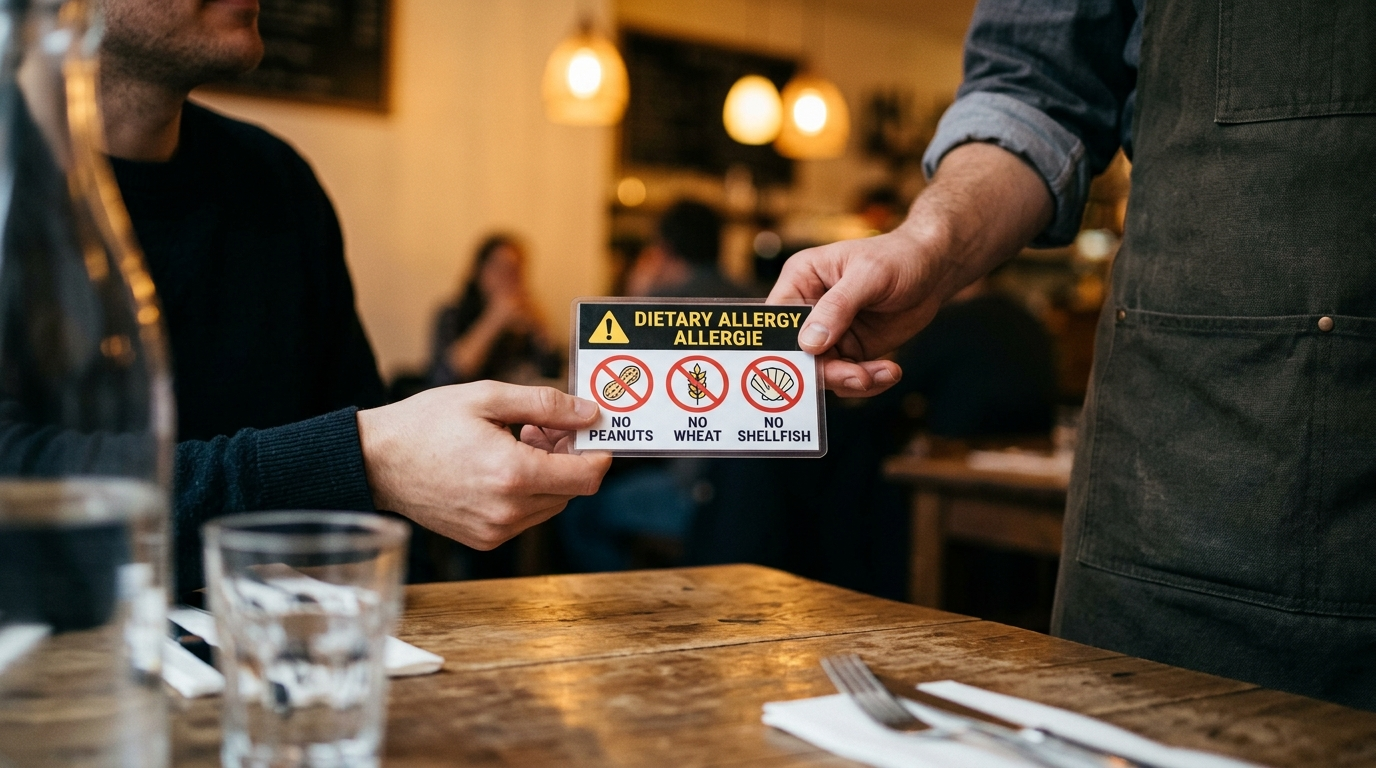
Handing restaurant servers a handwritten note often creates confusion or dangerous miscommunications in foreign kitchens. Professional chef allergy cards clearly describe your specific allergies, hidden ingredient names, and cross-contact warnings in the local native script. Services like Equal Eats print durable plastic cards that withstand spills and explain the severity of anaphylaxis clearly.
Presenting these custom allergy chef cards to the manager ensures the kitchen staff takes your condition seriously. Kitchen staff appreciate precise details about cooking oils, shared fryers, and sauce thickeners. This simple card prevents panic and lets you order meals with peace of mind.
2. Wipe Down Airplane Trays and Armrests with Sanitizing Wipes
Airlines rarely perform deep cleaning on tray tables, window shades, and seatbelt buckles between quick turnaround flights. Previous passengers frequently consume peanut snacks, dairy products, or tree nut bars directly off these surfaces. Wiping down your entire seating area immediately upon boarding removes residual allergen oils before you settle into your seat.
Use commercial antibacterial surface wipes that effectively lift sticky food residues from hard plastics. Do not rely on hand sanitizer gels because alcohol does not break down stubborn food proteins. Taking three minutes to scrub your space keeps your flight completely safe and hygienic.
3. Book Accommodations Featuring a Dedicated Private Kitchenette
Relying exclusively on restaurant dining three times a day in a foreign country introduces constant anxiety and mental fatigue. Reserving an apartment or boutique hotel room with a private stovetop and refrigerator gives you complete control over your meals. You can prepare safe breakfasts and pack reliable excursion lunches before leaving your room.
Shopping at neighborhood supermarkets lets you inspect ingredient labels calmly in your own space. Storing your own dedicated safe groceries eliminates the risk of cross-contact from hotel breakfast buffets. You save significant money while giving your digestive system a predictable, safe routine.
4. Top Travel Food Safety Tips for Severe Allergy Sufferers Dining at Buffets
Hotel buffets represent one of the most hazardous dining environments for anyone living with life-threatening food allergies. Hungry guests routinely drop serving spoons into neighboring dishes, spreading allergen traces across scrambled eggs, pastries, and salad bars. Applying top travel food safety tips for severe allergy sufferers means bypassing the open buffet line entirely.
Ask hotel chefs to prepare a fresh, custom made breakfast plate directly from sealed ingredients in the back kitchen. Most kitchen teams happily prepare fresh eggs in a clean pan using fresh utensils. This simple request shields you from dangerous cross-contact while you enjoy hot morning meals.
5. Pack a Double Supply of Epinephrine Auto-Injectors in Carry-On Bags
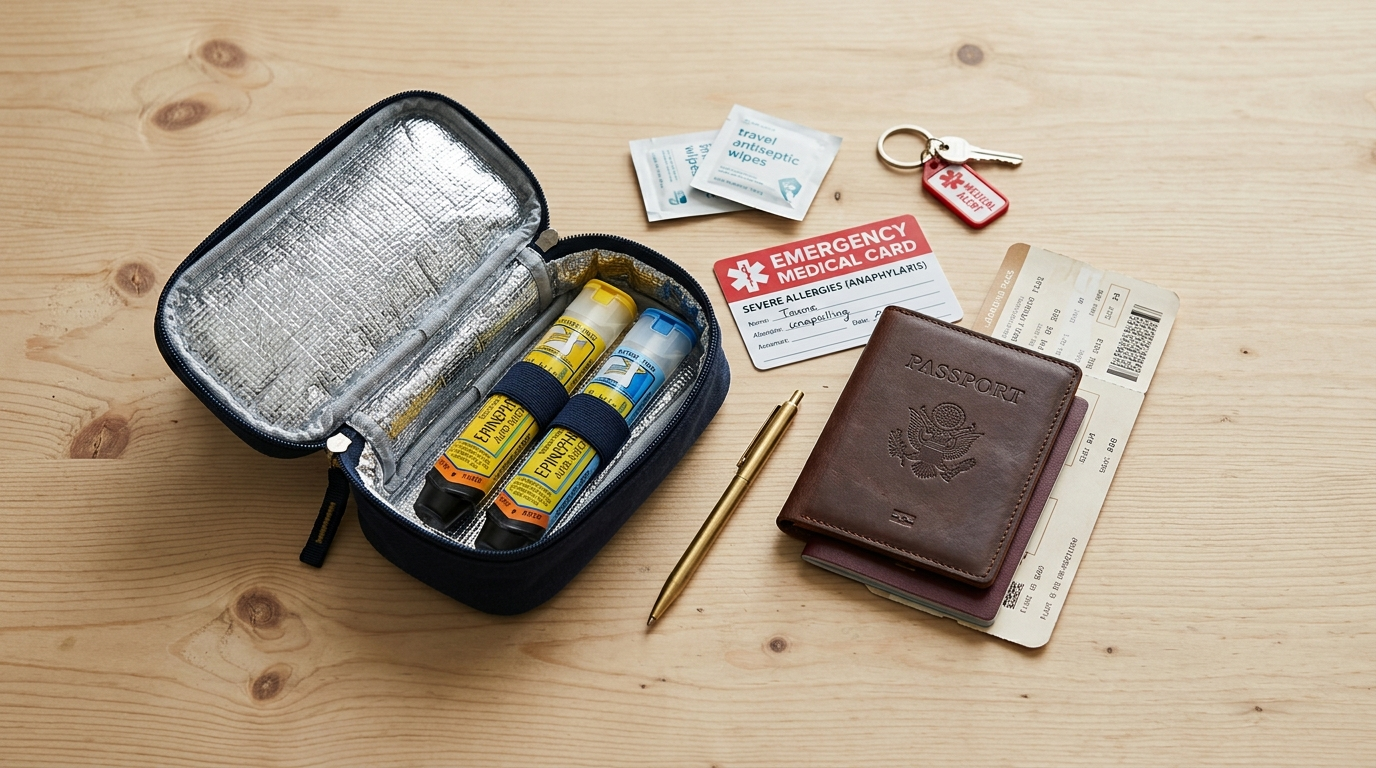
Carrying only one epinephrine pen leaves you vulnerable if a severe biphasic reaction requires a second emergency dose. Always pack at least two twin-packs of auto-injectors like EpiPen or Auvi-Q inside your personal carry-on luggage. Never check life-saving medications into cargo holds where extreme temperature swings can degrade the medication.
Keep your pens stored inside an insulated medication pouch to protect them from scorching sun or freezing mountain air. Bring an official doctor letter confirming your medical need to carry liquid auto-injectors through airport security checkpoints. Having extra doses on hand provides vital reassurance wherever you roam.
6. Research Hidden Regional Ingredients Before Leaving Home
Traditional recipes often incorporate unexpected allergens that do not appear in Western variations of the same dishes. Ground peanuts frequently thicken savory stews in West Africa, while fish sauce hides in vegetarian noodle broths across Southeast Asia. Learning traditional spice pastes and cooking traditions prevents accidental exposures before you even step into a restaurant.
Take time to study the regional culinary staples of your chosen destination using verified expat food forums. Make a list of high-risk traditional dishes to avoid entirely during your stay. Knowing what hides in local broths keeps your dining choices safe and informed.
7. Speak Directly with Restaurant Kitchen Managers Instead of Waitstaff
Busy servers often lack detailed training regarding kitchen cross-contact, shared fryers, and secondary sauce ingredients. Request to speak directly with the head chef or shift manager during slow dining hours before placing your order. Communicating directly with the person cooking your meal reduces the risk of dangerous translation errors.
Politely explain your specific allergy triggers and observe their reaction closely. If the manager hesitates or dismisses your concerns as a minor preference, walk out immediately and find another restaurant. Trusting a trained kitchen manager ensures proper protocols like clean cutting boards and sanitized cookware are followed.
8. Download Live Translation Apps with Offline Image Recognition
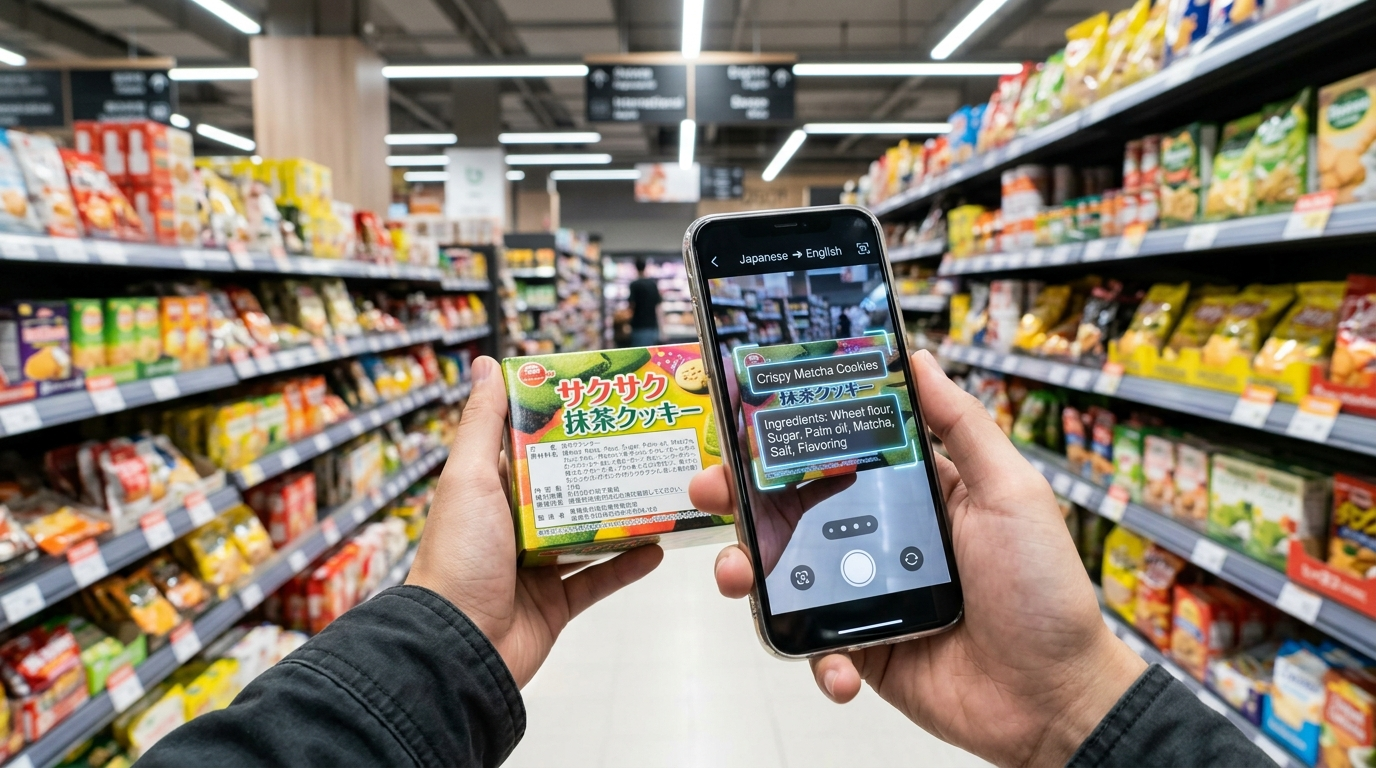
Deciphering complicated grocery labels written in foreign characters feels daunting when cellular service drops in underground shops. Apps like Google Translate or DeepL allow you to scan packaging text using your smartphone camera even without active Wi-Fi. Downloading language packs offline ensures you can translate ingredient lists anywhere in the world.
Scan allergen warnings and manufacturing notices for mentions of shared facility processing. Utilizing offline visual translation tools helps you spot obscure chemical names for milk solids, soy derivatives, and hidden nut oils. It turns confusing grocery shopping into a straightforward and reliable task.
9. Carry Sealed High-Protein Emergency Snacks Everywhere You Go
Delayed trains, language barriers, or unaccommodating restaurants can leave you stranded without a safe meal option for hours. Pack manufacturer-sealed protein bars, roasted seeds, dried fruit pouches, and vacuum-sealed tuna packs in your daypack. Having substantial emergency rations ensures you never make risky food choices out of desperation.
Choose certified allergen-safe brands that you already consume and trust at home. Carrying your own portable emergency snacks prevents the misery of touring foreign cities on an empty stomach. You can explore remote countryside ruins comfortably knowing your personal snack stash covers your nutritional needs.
10. Avoid High-Risk Street Food Stalls with Shared Griddles
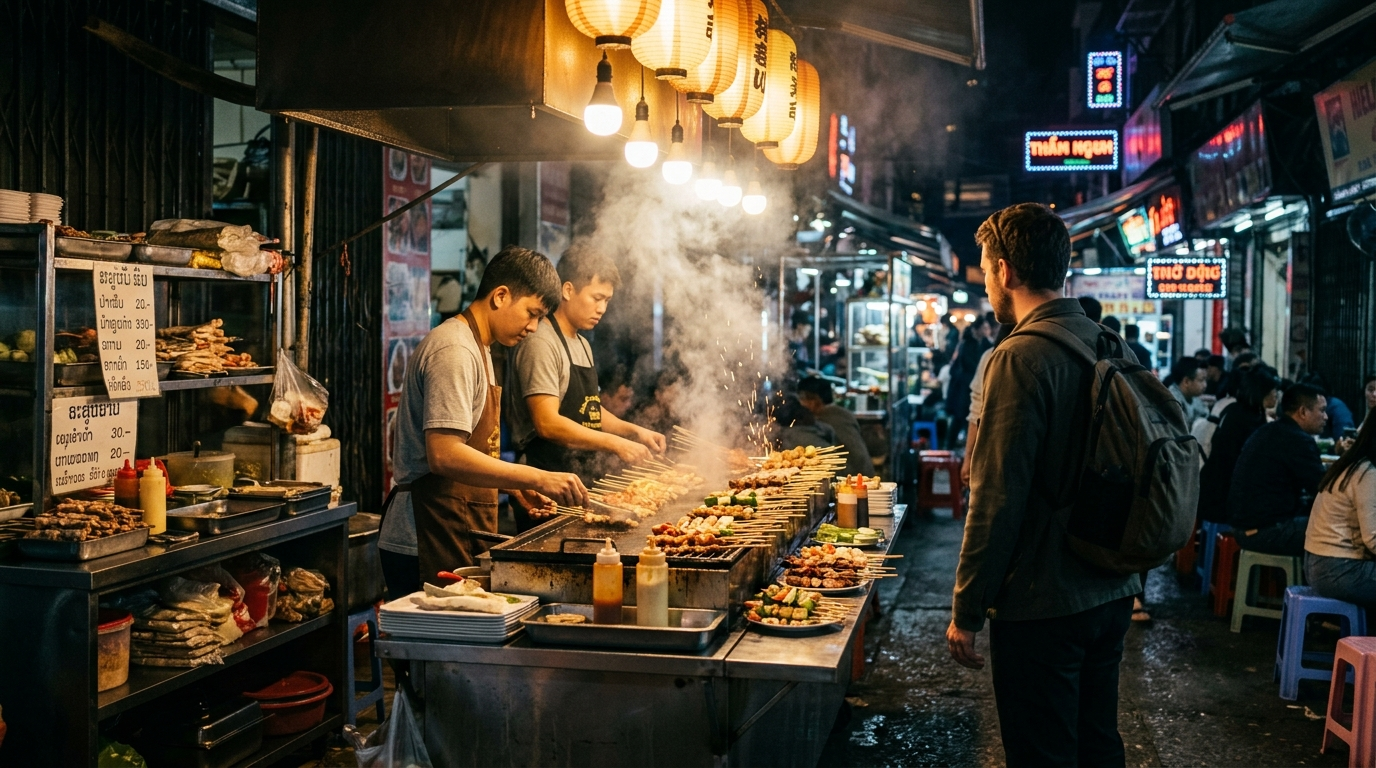
Open-air food markets offer mouthwatering aromas, but they present massive cross-contact hazards for allergy travelers. Street vendors operate with limited workspace, rarely washing spatulas or cleaning flat-top grills between cooking different dishes. A single swipe of a cloth can transfer shrimp paste or peanut oil onto your grilled chicken skewer.
Skip food carts where multiple dishes fry together in the same oil vat. Watching out for shared cooking surfaces protects you from invisible cross-contamination during lively night market strolls. IMO, sticking to sit-down venues with dedicated preparation areas is always worth the extra cost.
11. Learn Emergency Medical Vocabulary for Your Destination
Knowing how to shout for urgent medical help in the local language can save your life during an unexpected reaction. Practice pronouncing key emergency phrases like “ambulance”, “hospital”, and “I cannot breathe” before your plane lands. Save these phonetic phrases as your smartphone lock screen wallpaper for instant visual reference.
Locate the nearest emergency room and regional hospital trauma center relative to your hotel address. Practicing essential emergency medical vocabulary ensures bystanders and taxi drivers understand your situation without delay. You move through foreign cities with greater peace knowing you can communicate during a crisis.
12. Register Your Medical Needs with Airline Special Assistance
Airlines can establish allergy buffer zones and make cabin announcements if you notify their accessibility department in advance. Submit your medical dietary request and allergy notification through the airline website at least seventy-two hours prior to flight departure. Remind the gate staff and flight attendants about your condition as you board the plane.
Many international carriers will suspend the distribution of tree nuts and peanuts on your specific flight upon request. Establishing airline special assistance creates an extra layer of protection against airborne dust and surface residue. FYI, polite communication with cabin crew builds fantastic goodwill throughout your journey.
13. Create a Medical Action Plan Document for Travel Companions
Experiencing anaphylaxis impairs your ability to speak, think clearly, and administer your own emergency medication. Hand your travel partner a laminated, step-by-step emergency card detailing symptom progression and exact auto-injector instructions. Walk them through the physical mechanics of using your trainer pen before your trip starts.
Ensure your companion knows the local emergency telephone number, such as 112 in Europe or 119 in Japan. Sharing a clear emergency action plan gives your friends the tools to act quickly under pressure. Testing top travel food safety tips for severe allergy sufferers as a team keeps everyone safe and prepared.
Frequently Asked Questions
How do top travel food safety tips for severe allergy sufferers prevent emergencies abroad?
Carrying translated allergy cards and vetting dining spots before ordering removes dangerous communication barriers in foreign kitchens. Asking chefs to prepare meals from scratch avoids shared griddles and cross-contact. Having multiple epinephrine auto-injectors and knowing local hospital locations ensures you stay protected if an accidental exposure occurs.
How can I safely carry epinephrine auto-injectors through airport security?
Keep your medication in your carry-on luggage inside an insulated pouch with original pharmacy labels intact. Show the TSA or airport security agents your doctor letter explaining your severe allergy condition. Never check epinephrine pens into cargo holds where extreme cold or heat can ruin the medicine.
Is it safe to eat street food with a severe food allergy?
Street food stalls present severe cross-contact risks due to small cooking spaces, shared cutting boards, and unwashed woks. Stick to reputable sit-down restaurants where managers can isolate ingredients and clean cookware properly. If you want night market atmosphere, bring your own safe snacks while soaking in the ambiance.
What should I do if a restaurant server seems dismissive of my allergies?
Leave the restaurant immediately without ordering any food or drinks. A dismissive attitude from waitstaff indicates the kitchen likely lacks proper allergy safety protocols and cross-contact awareness. Trusting your gut instinct prevents dangerous exposures, so look for a welcoming venue that takes food allergies seriously.
Which travel insurance plans cover severe allergic reactions abroad?
Look for comprehensive travel medical policies like Allianz Global Assistance or World Nomads that cover pre-existing conditions and emergency medical evacuation. Always declare your severe allergies when filling out policy forms so treatment and hospital stays are fully covered without claim disputes if you need emergency care.
Conclusion
Living with severe allergies never means you have to stay locked at home while the rest of the world explores. Equipping yourself with clear communication tools and proactive habits opens up the globe for safe, delicious adventures. Which country are you most excited to explore safely on your next getaway?