
Developing foolproof travel planning routines for frequently relocating military spouses is essential when unexpected orders suddenly flip your household upside down. You barely unpack the kitchen before orders drop again, sending you scrambling across state lines with pets, kids, and half-taped cardboard boxes. Moving duty stations never feels entirely painless. Setting up repeatable, calm travel systems prevents complete burnout and turns chaotic cross-country relocations into actual adventures.
1. Build a Dedicated Master PCS Binder Before Pack Day
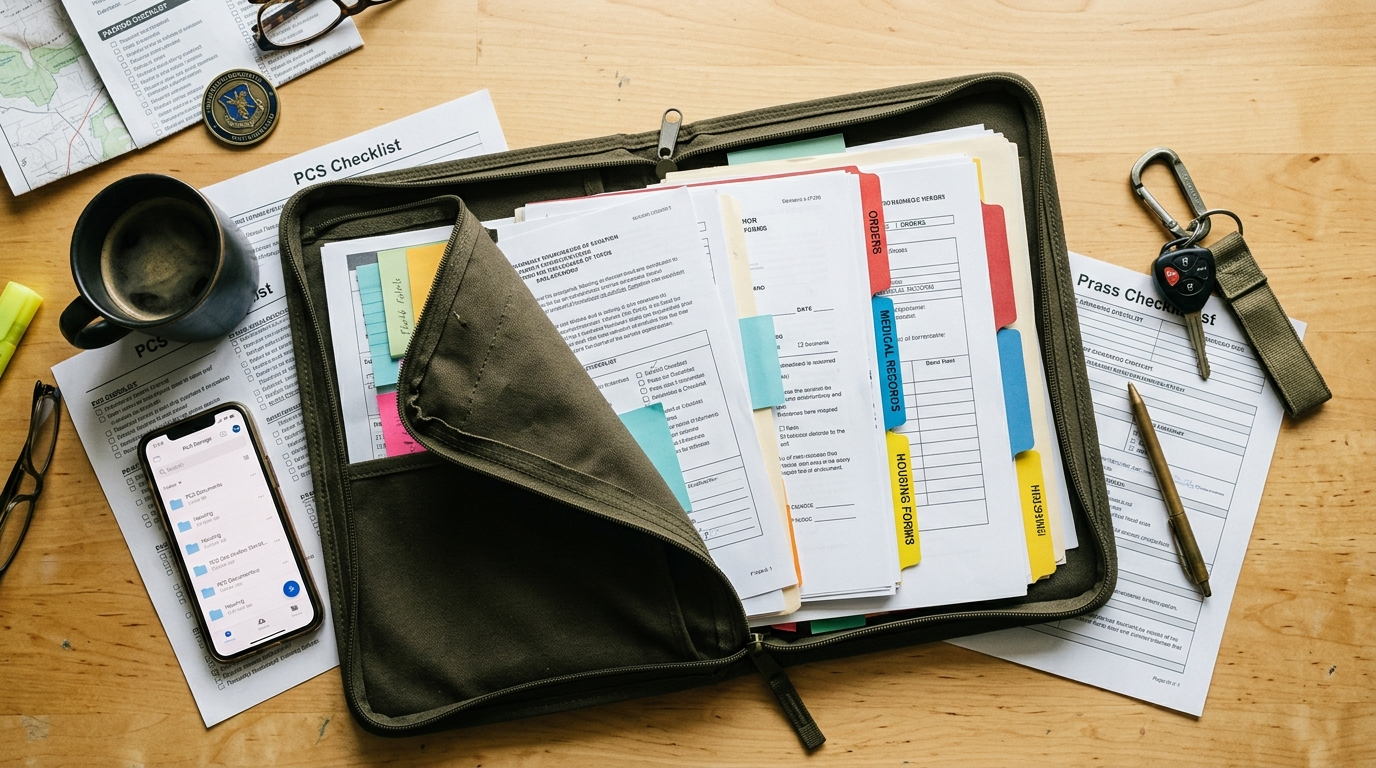
Gather every critical family document into a bright, waterproof zippered folder that stays in your vehicle at all times. This includes hard copies of official military orders, birth certificates, pet immunization records, housing applications, and vehicle titles. Having all necessary paperwork in one secure place eliminates frantic digging through packed suitcases at hotel front desks.
Keep digital scans backed up securely on an encrypted cloud drive like Google Drive or iCloud for quick mobile access. Color-code sections using plastic tab dividers to instantly grab immunization logs or lease agreements during check-in. This simple master document binder prevents catastrophic administrative delays while crossing multiple state lines.
2. Map Out Pet-Friendly Hotel Stops Weeks in Advance
Securing lodging that welcomes furry family members requires early booking along major interstate corridors. Chains like La Quinta, Home2 Suites, and Kimpton offer reliable pet accommodations without excessive non-refundable deposits. Reserving your rooms well before movers arrive guarantees you have a clean place to sleep when regional hotels fill up with summer PCS traffic.
Always call hotel properties directly to verify specific pet weight limits and fees before confirming your reservation online. Pack a dedicated pet bag with collapsible bowls, familiar bedding, and food to soothe animal anxiety in unfamiliar rooms. Relying on verified pet-friendly lodging saves you from midnight parking lot rejections after driving eight hours.
3. Assemble a 72-Hour First-Night Essentials Bin
Pack a clear plastic storage tub with everything your family needs to survive the first three days in an empty house. Load it with paper towels, toilet paper, phone chargers, disposable plates, trash bags, basic hand tools, and a shower curtain liner. Carrying this clear bin in your trunk prevents you from opening taped moving boxes just to brush your teeth.
Include an air mattress, fresh sheets, and basic cleaning wipes to make any temporary lodging immediately functional. Mark the lid with bright neon duct tape so movers never accidentally load it onto the moving truck. Establishing this first-night survival kit removes immense stress upon arriving at an unfurnished base house.
4. Leverage Military Lodging and Space-A Resources
Look beyond standard commercial hotels and investigate temporary lodging facilities on military installations along your driving route. Navy Lodges, Air Force Inns, and IHG Army Hotels often provide spacious suites with full kitchenettes at reasonable, tax-free per diem rates. These secure facilities offer quiet surroundings, gated security, and proximity to base amenities.
Check installation websites early because on-base suites book out months in advance during peak summer PCS cycles. Using an on-base installation lodging network saves hundreds of dollars while giving your family access to secure playgrounds and commissary groceries. It provides a peaceful, familiar environment during long cross-country road trips.
5. Turn Required Travel Routes into Scenic Mini Vacations
Driving across the country between duty assignments feels draining when you view the journey merely as unpaid labor. Identify two national parks, quirky roadside landmarks, or historic towns located within an hour of your mandatory interstate route. Intentionally scheduling two-hour exploration breaks breaks up monotonous highway miles and keeps morale high.
Grab a free America the Beautiful Military Pass at the first national park entrance station you encounter along the route. Planning these scenic route detours transforms an exhausting logistical move into cherished family sightseeing memories. Kids remember the giant roadside dinosaur far longer than the stress of moving trucks.

6. Foolproof Travel Planning Routines for Frequently Relocating Military Spouses on Budgets
Tracking moving expenses down to the exact dollar prevents unpleasant surprises when filing your travel reimbursement vouchers. Set up a dedicated travel expense folder in your phone notes and immediately photograph every fuel receipt, toll charge, and hotel bill. Mastering foolproof travel planning routines for frequently relocating military spouses ensures your family gets reimbursed every single cent allowed under Joint Travel Regulations.
Use platforms like Expensify or simple spreadsheet envelopes to categorize lodging, per diem meals, and mileage allowances daily. Sticking to a disciplined expense tracking routine keeps your credit cards from ballooning during prolonged temporary housing stays. You submit clean paperwork to the finance office on day one without missing receipts.
7. Pre-Cook and Freeze Road Trip Meals for the Cooler
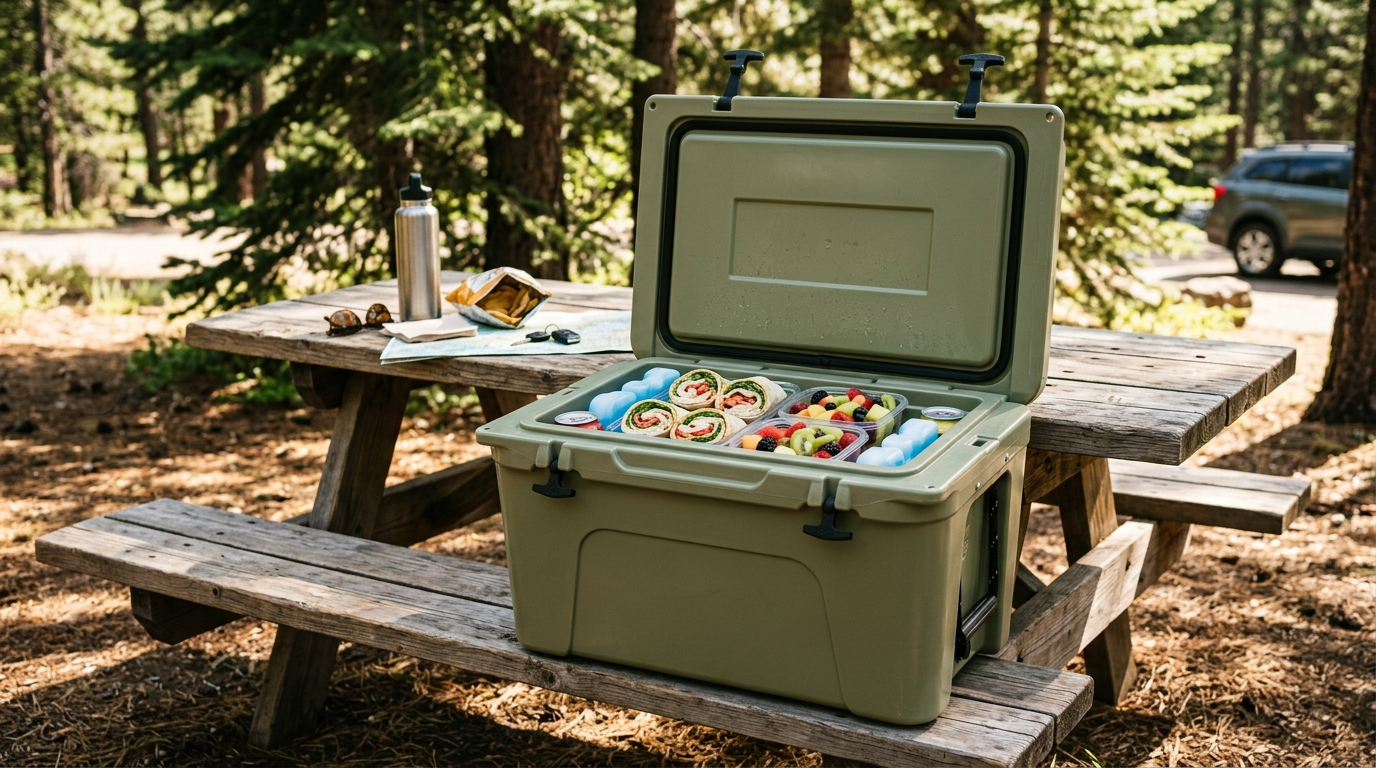
Relying on fast food drive-thrus for five straight days causes sluggish energy, upset stomachs, and massive budget leaks. Prepare breakfast burritos, pasta salads, sandwiches, and cut fruit in airtight containers two days before departure. Pack everything inside a heavy-duty rotomolded cooler like a Yeti or RTIC with reusable ice blocks.
Rest stops with grassy picnic tables offer quiet places to stretch legs and enjoy wholesome, homemade lunches. Storing prepped cooler meals saves at least fifty dollars per travel day while keeping energy levels steady across long driving stretches. It also accommodates picky toddler eating habits without stressful fast food arguments.
8. Set Up a Vehicle Emergency Maintenance Protocol
Breaking down on a remote desert highway with a loaded car and tired children is every military family’s nightmare. Schedule a comprehensive vehicle inspection two weeks before moving day, including tire rotations, brake checks, and oil changes. Replace worn wiper blades and test your car battery to withstand sudden climate shifts between duty stations.
Keep a roadside emergency kit equipped with jumper cables, a portable tire inflator, extra coolant, and flashlights in your spare tire compartment. Verifying your preventative vehicle maintenance prevents costly roadside breakdowns in unfamiliar rural areas. IMO, peace of mind on the highway is worth every penny spent on pre-trip tune-ups.
9. Establish a Portable Remote Work Station
Working remotely while relocating requires a bulletproof setup that functions from hotel desks, base lounges, and passenger seats. Pack a lightweight laptop stand, noise-canceling headphones, a high-capacity power bank, and a dedicated mobile hotspot into a single backpack. Having your office self-contained lets you knock out client emails during rest stops or hotel evenings.
Test cellular data coverage maps along your travel route beforehand to identify potential dead zones for urgent client calls. Maintaining a compact mobile workspace ensures career continuity without letting relocation chaos disrupt client deadlines. You remain professionally productive while moving smoothly across time zones.
10. Create a Daily Mile Limit to Prevent Exhaustion
Pushing through ten-hour driving stretches leads to frayed tempers, dangerous driver fatigue, and severe burnout. Cap your daily driving time at no more than six hours, or roughly three hundred and fifty miles. Stopping in late afternoon gives everyone time to swim in hotel pools, decompress, and get a full night of restful sleep.
Arriving early at each overnight destination allows you to explore local neighborhoods and enjoy a relaxing dinner. Enforcing a strict daily mileage cap keeps everyone calm, patient, and physically refreshed throughout multi-day cross-country transfers. Vacation should feel steady rather than a grueling race against the clock.
11. Prepare an Activity Backpack for Every Child
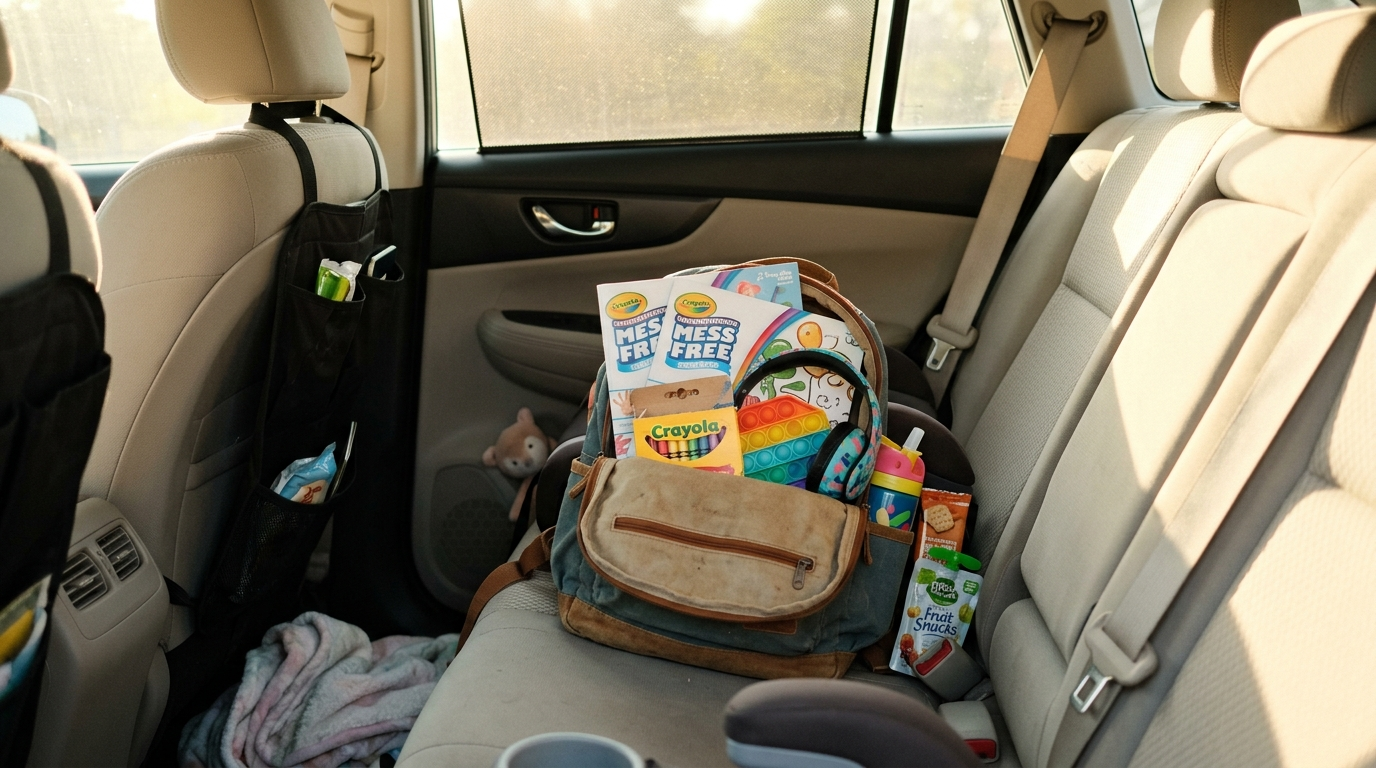
Handing kids tablets for twelve consecutive hours often leads to sensory meltdowns and restless energy at bedtime. Equip each child with a personal travel backpack stocked with mess-free coloring books, sticker pads, audiobooks, new sensory fidgets, and wrapped surprise snacks. Hand out new items gradually across each driving milestone.
Download offline educational games and playlists before losing cellular connectivity in mountainous regions. Providing curated travel activity kits keeps children happily occupied and reduces backseat squabbles significantly. FYI, wrapping inexpensive dollar-store activities in foil makes opening them feel like a special game.
12. Connect with Sponsor Spouses in Your New Community
Reaching out to local spouse networks before arriving eliminates the anxiety of navigating an unfamiliar military town. Request a sponsor through your spouse’s gaining unit or join local base spouse Facebook groups three weeks prior to arrival. Current residents provide invaluable advice on safe neighborhoods, reliable mechanics, pediatrician openings, and traffic bottlenecks.
Ask specific questions about temporary lodging options, grocery proximity, and school enrollment requirements before arriving in town. Building an early local community connection turns a cold, unknown duty station into a welcoming hometown immediately. You step into your new assignment with trusted local guidance already in place.
13. Schedule a Mandatory Decompression Day After Arrival
Rushing to unpack fifty boxes the second movers drop off your household goods leads to immediate physical collapse. Block out the day after delivery for complete rest, ordering pizza, and exploring a nearby park or cafe. Practicing foolproof travel planning routines for frequently relocating military spouses includes giving your family grace to adjust slowly.
Accept that cardboard boxes can sit in the garage for a few extra days while you catch your breath. Taking an unstructured recovery day resets your mental battery and helps kids settle emotionally into their new bedrooms. A successful move ends with rest, not an exhausting sprint to the finish line.
Frequently Asked Questions
How do foolproof travel planning routines for frequently relocating military spouses save money?
These structured routines help you avoid expensive last-minute bookings, reduce dining out through cooler meal prep, and track every reimbursable receipt accurately. Sticking to military lodging and planned driving schedules prevents costly impulse spending during long transitions between duty stations.
What is the best way to handle temporary lodging allowances?
Keep itemized receipts for every hotel night and track your daily spending against current military per diem rates for each specific zip code. Book suites with kitchenettes so you do not burn your entire food allowance on restaurant dining while waiting for permanent housing.
How should military families organize vital records for PCS road trips?
Place hard copies of military orders, medical records, birth certificates, and vehicle registrations inside a waterproof, portable master binder. Never pack this binder in moving crates or vehicle trunks; keep it in the front passenger seat for immediate access during travel check-ins.
What items should never go on the military moving truck?
Never pack irreplaceable family heirlooms, prescription medications, professional credentials, pet supplies, laptops, or initial 72-hour survival essentials in moving crates. Transport these critical items inside your personal vehicle so delays with moving contractors do not leave your family stranded.
How can spouses maintain personal well-being during stressful relocations?
Set firm boundaries by establishing daily driving limits and building mandatory rest breaks into every travel itinerary. Give yourself permission to leave moving boxes unpacked for a few days so you can rest, explore your new community, and recover from travel fatigue.
Conclusion
Relocating every couple of years never becomes entirely effortless, but having dependable routines turns overwhelming logistics into an empowering family journey. Give yourself credit for managing massive life transitions with poise, and treat each new duty station as an unwritten chapter. Which base has been your absolute favorite road trip destination so far?